The relationship that became normal
The eventual relationship between Geordie and the cat can look deceptively simple when viewed only from its endpoint: two animals sharing a household, eating together, occupying elevated spaces, and apparently responding to one another's signals.
It was nothing like that at the beginning.
Geordie had already been part of the household for many years before the cat arrived. She therefore entered the cat's world not as a newly introduced animal, but as an already-established member of the environment.
The cat, meanwhile, arrived at approximately seven months old and was semi-feral. For the first month she hid literally underneath the bed. For four weeks she remained there while fresh food and water were placed on the kitchen floor every day. There was no forced socialisation. The cat was allowed to establish safety and trust at her own pace.
She was subsequently confined to the house for a further period, then introduced to the outside world on a lead because she had not yet been neutered. She eventually escaped, became pregnant, returned, and was confined again. She subsequently had her kittens, which were re-homed individually at the appropriate time.
Thus the cat's relationship with the household was itself developmental. She was not simply placed into an established domestic environment and expected to conform to it. She gradually learned the environment, its boundaries, its routines, and the behaviour of the other beings within it. And one of those beings was Geordie.
Neither animal stopped being itself
The cat remained a cat. She remained semi-feral and retained her predatory repertoire. She hunted and brought live prey home, including birds. Nothing about the eventual relationship required the elimination of that behaviour.
Likewise, Geordie remained a parrot.
The relationship therefore was not based on the cat being trained to regard Geordie as universally equivalent to a non-prey object. Instead, context became meaningful. The household acquired its own behavioural rules.
Parrot eating here + cat eating here + human present = normal.
Most importantly, it took approximately a year before the two animals accepted eating together as an ordinary part of household life. That year matters.
The eventual photographs of them sharing elevated feeding space are therefore not evidence of a simple imposed behavioural arrangement. They are evidence of the endpoint of a prolonged process of habituation, trust, boundary formation and mutual prediction.
An emergent social environment
Eventually the configuration became ordinary enough that it no longer required active negotiation. Neither animal had to stop being itself. They learned that what they were could coexist.
The most revealing observation goes beyond tolerance. In at least one observed territorial incident, Geordie detected an unfamiliar cat first and raised the alarm; the resident cat then responded to Geordie's alarm. The information flow therefore ran from bird to cat, rather than simply from cat to bird.
Geordie was not merely an animal being tolerated by a predator: she had become a source of environmental information relevant to the cat.
The resulting system is consequently more accurately described as an emergent inter-species social environment than as a domesticated predator being prevented from attacking prey.
Why the physical environment matters
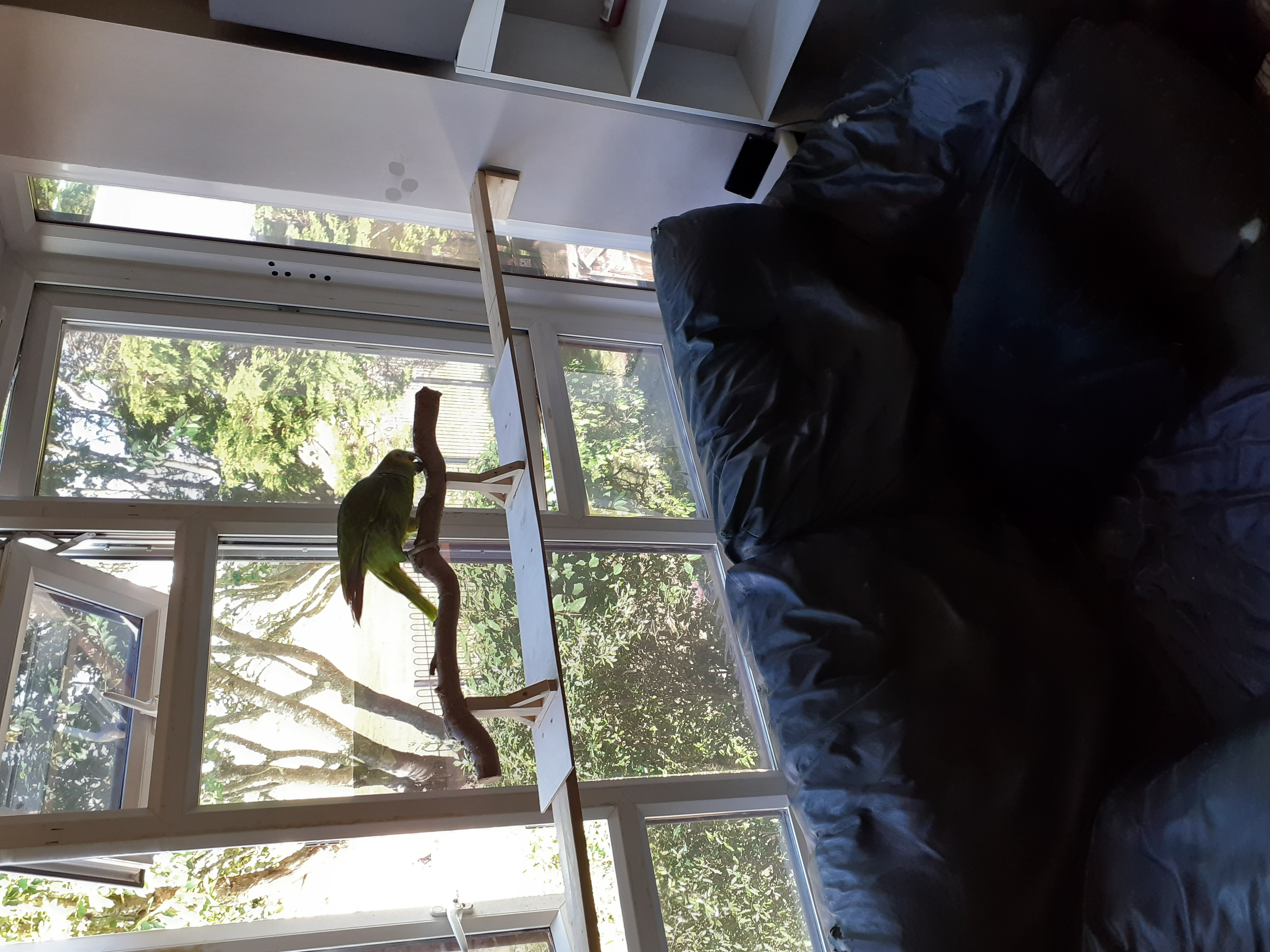
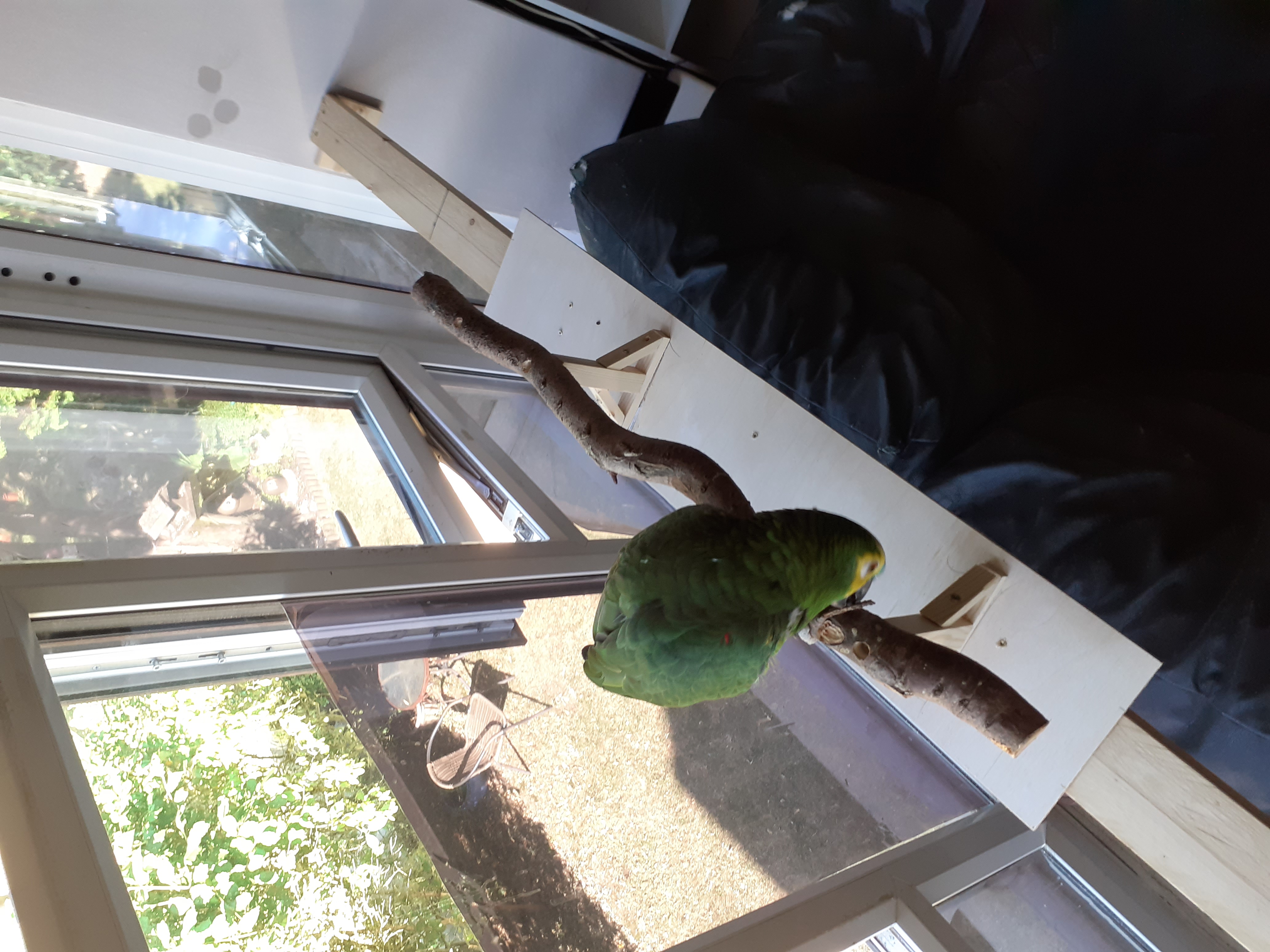
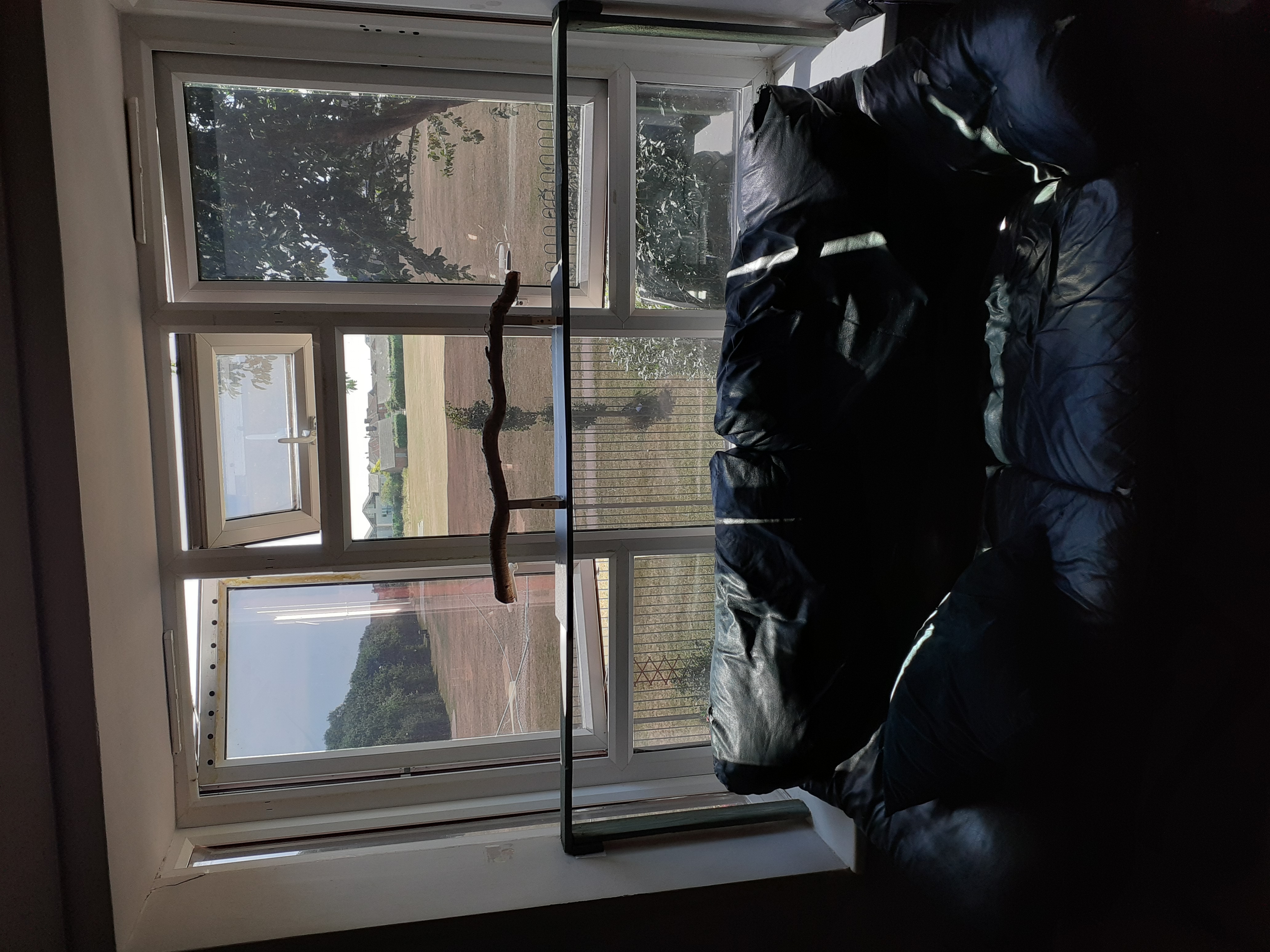
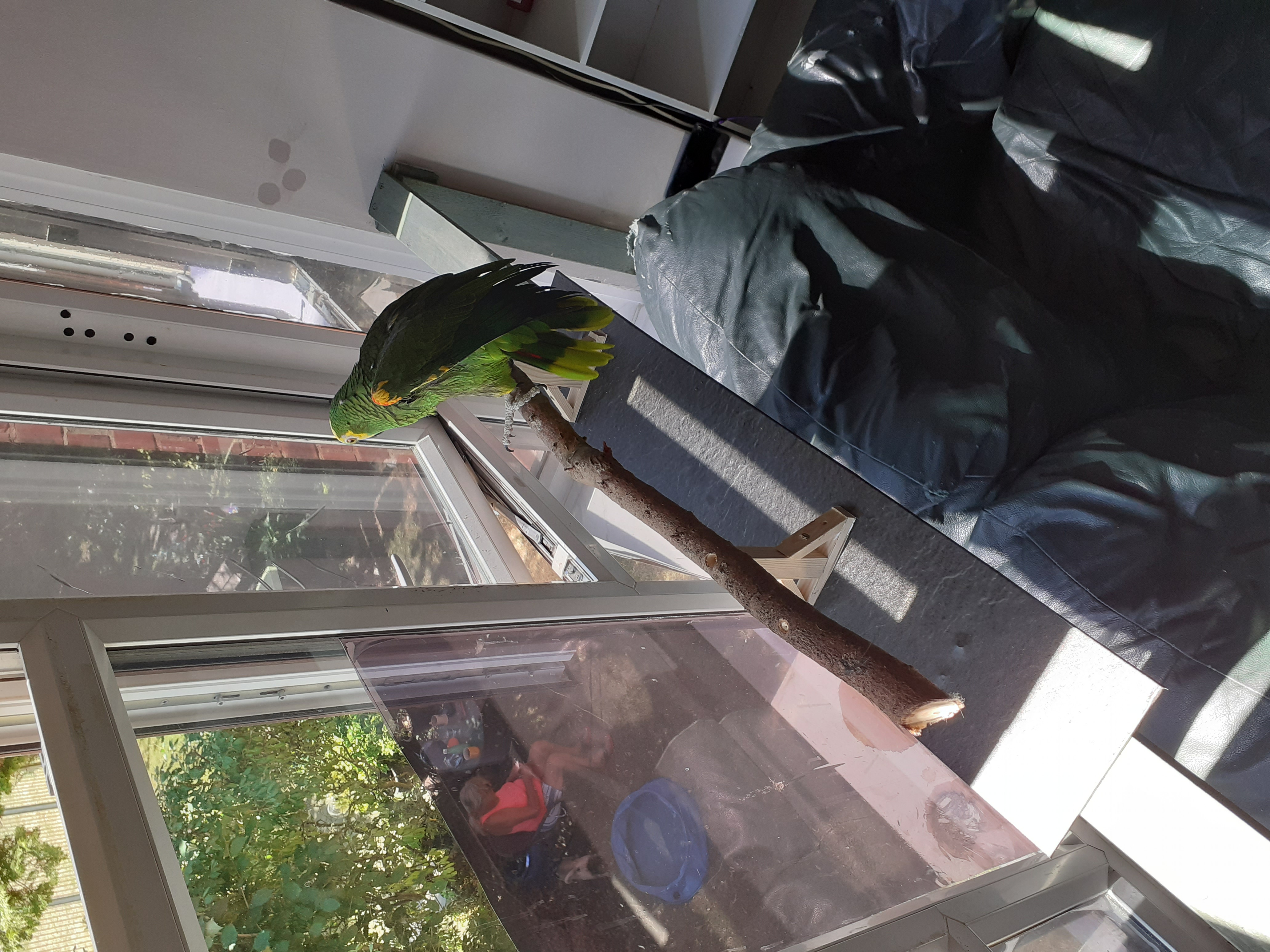
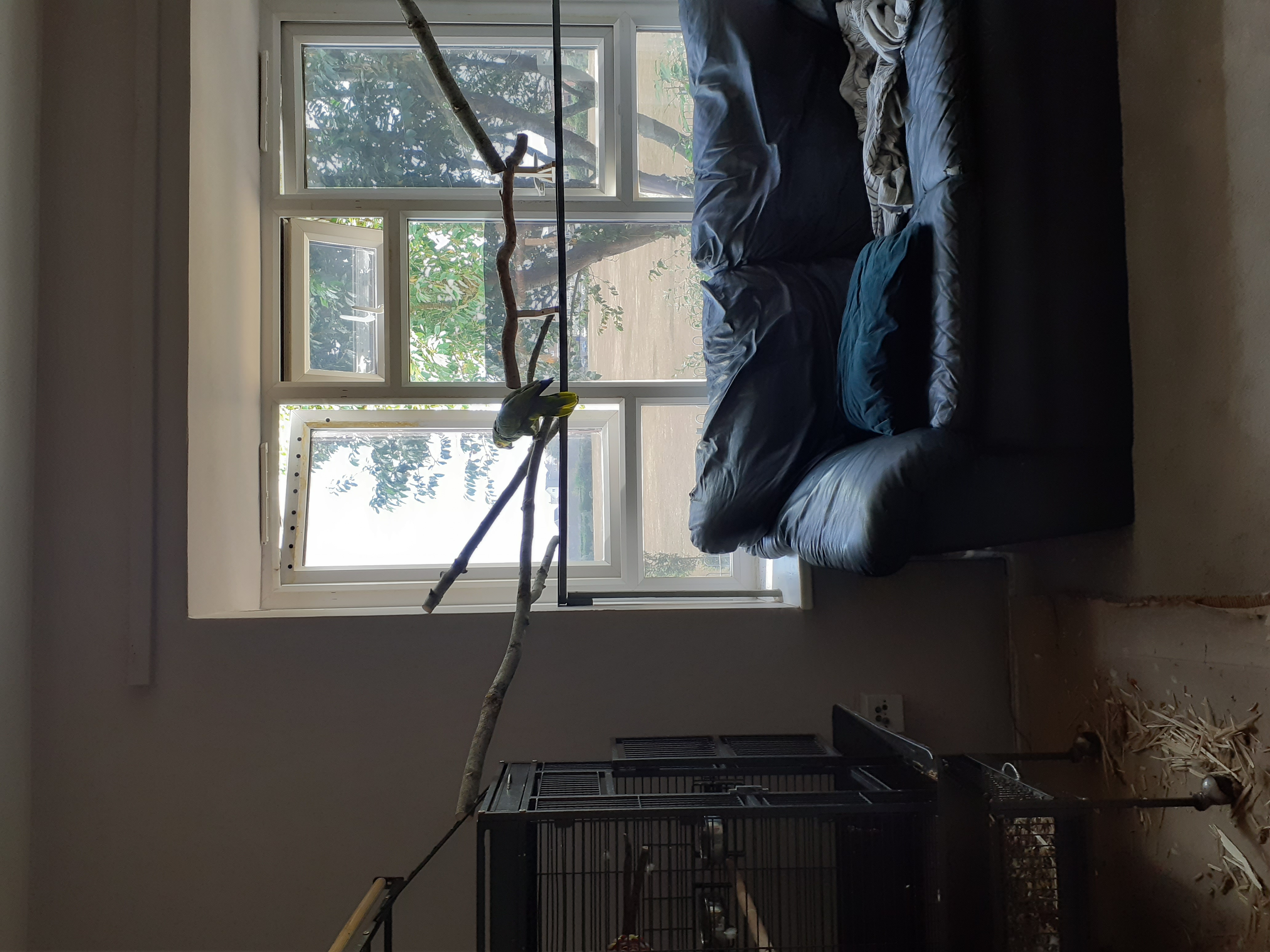
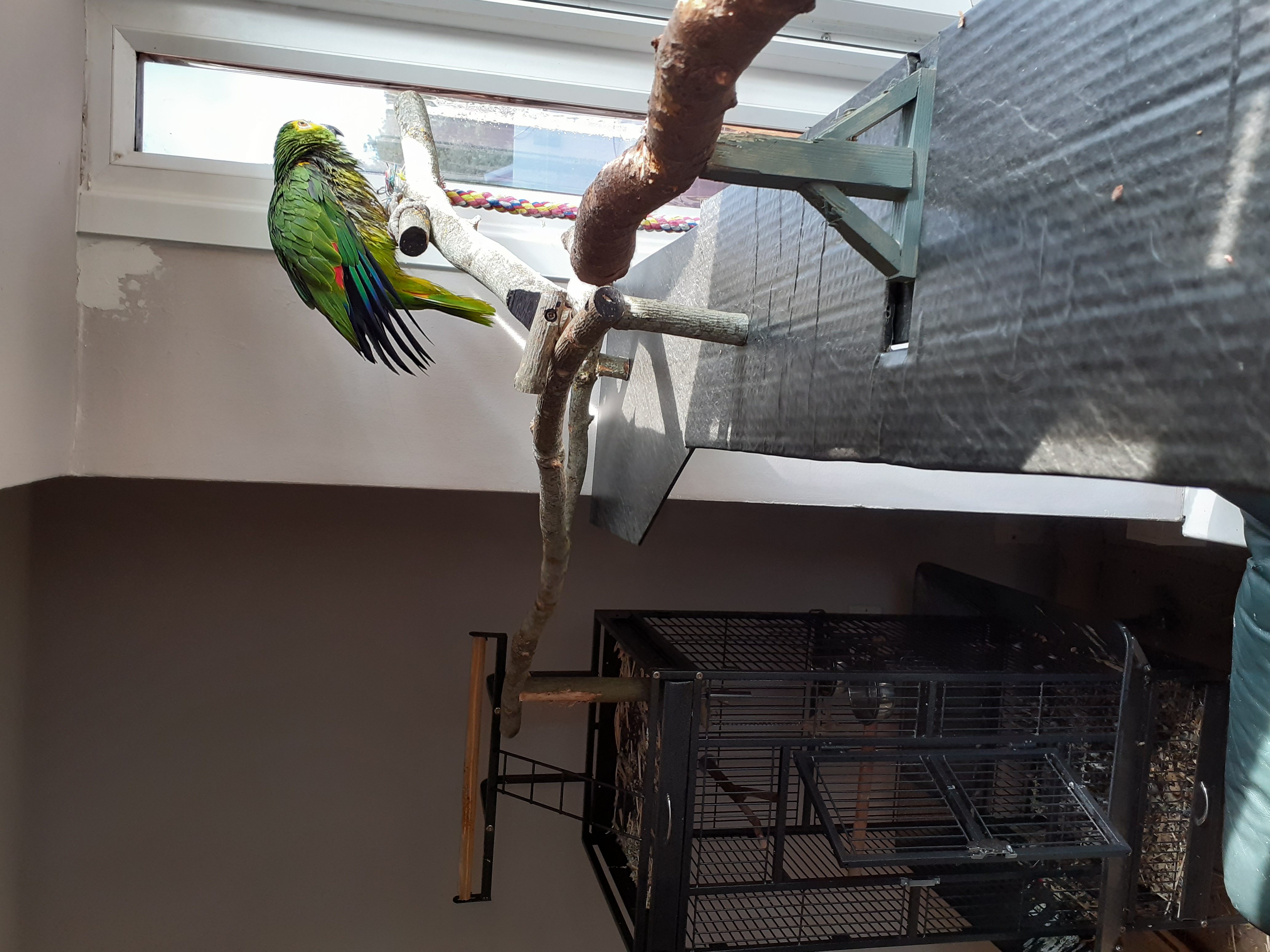
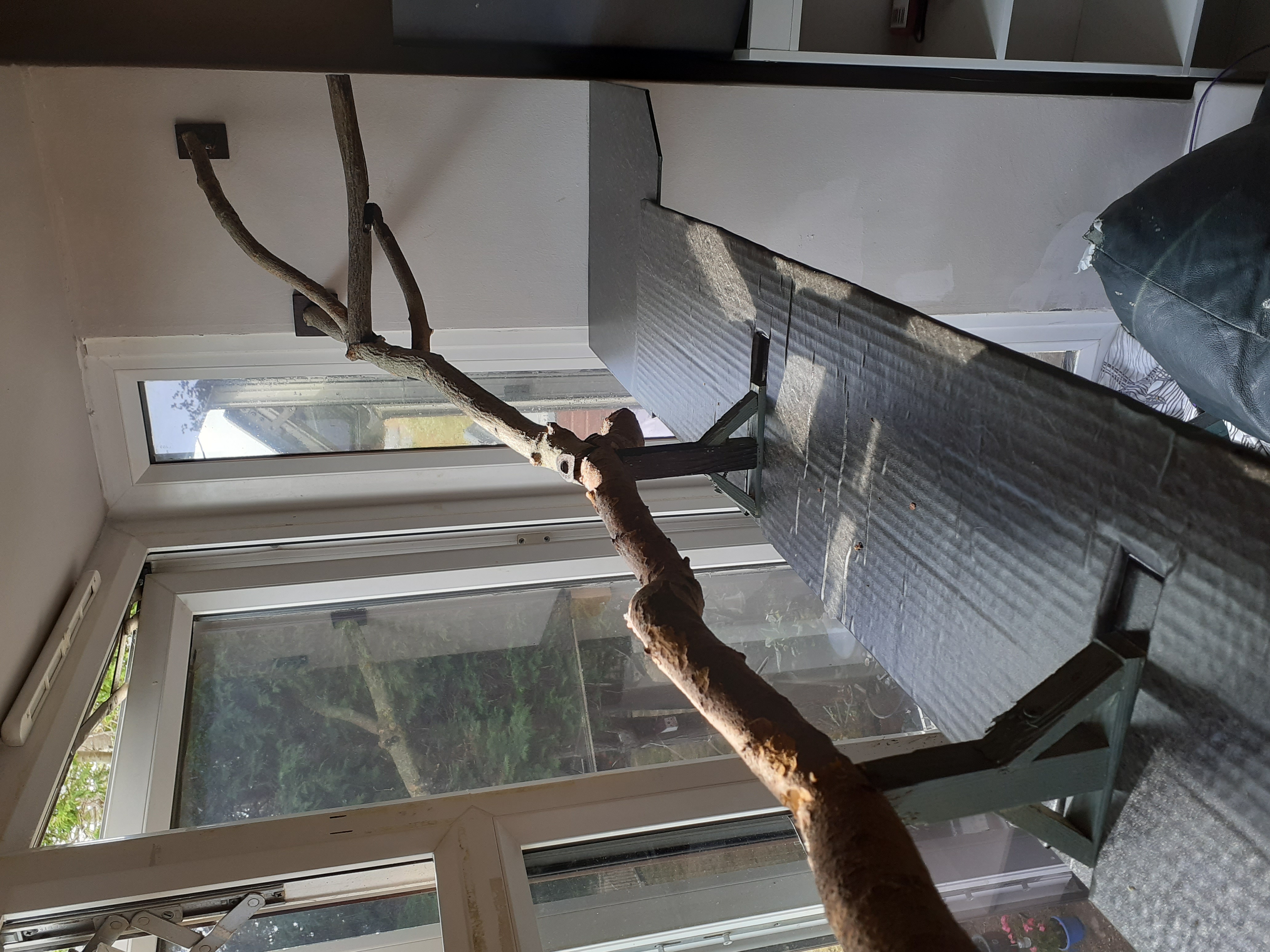
The history also changes how the photographs of the physical environment should be read. A perch is not merely an object attached to a wall. It forms part of the space through which an animal moves, pauses, investigates, climbs, observes and chooses where to be.
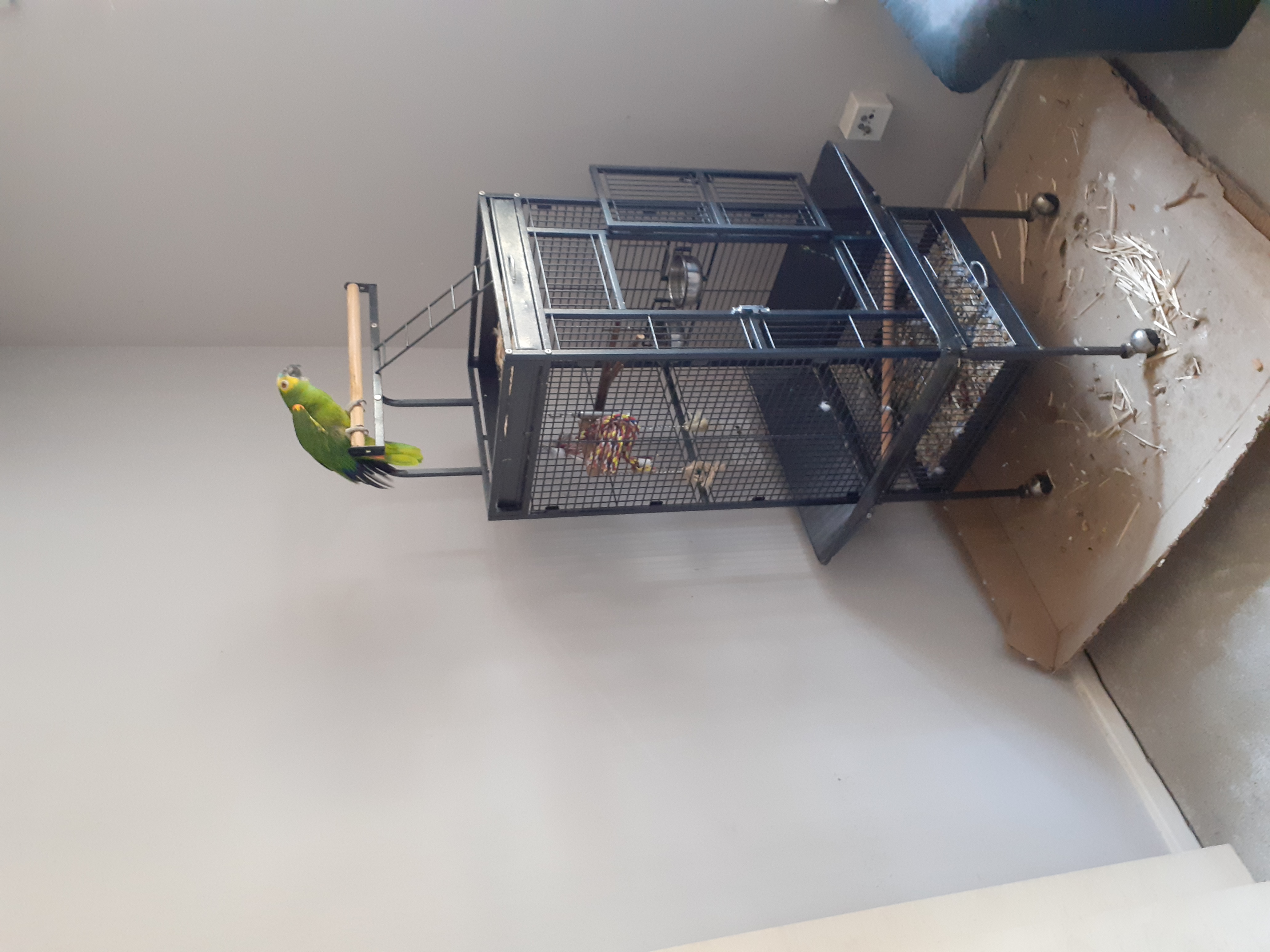
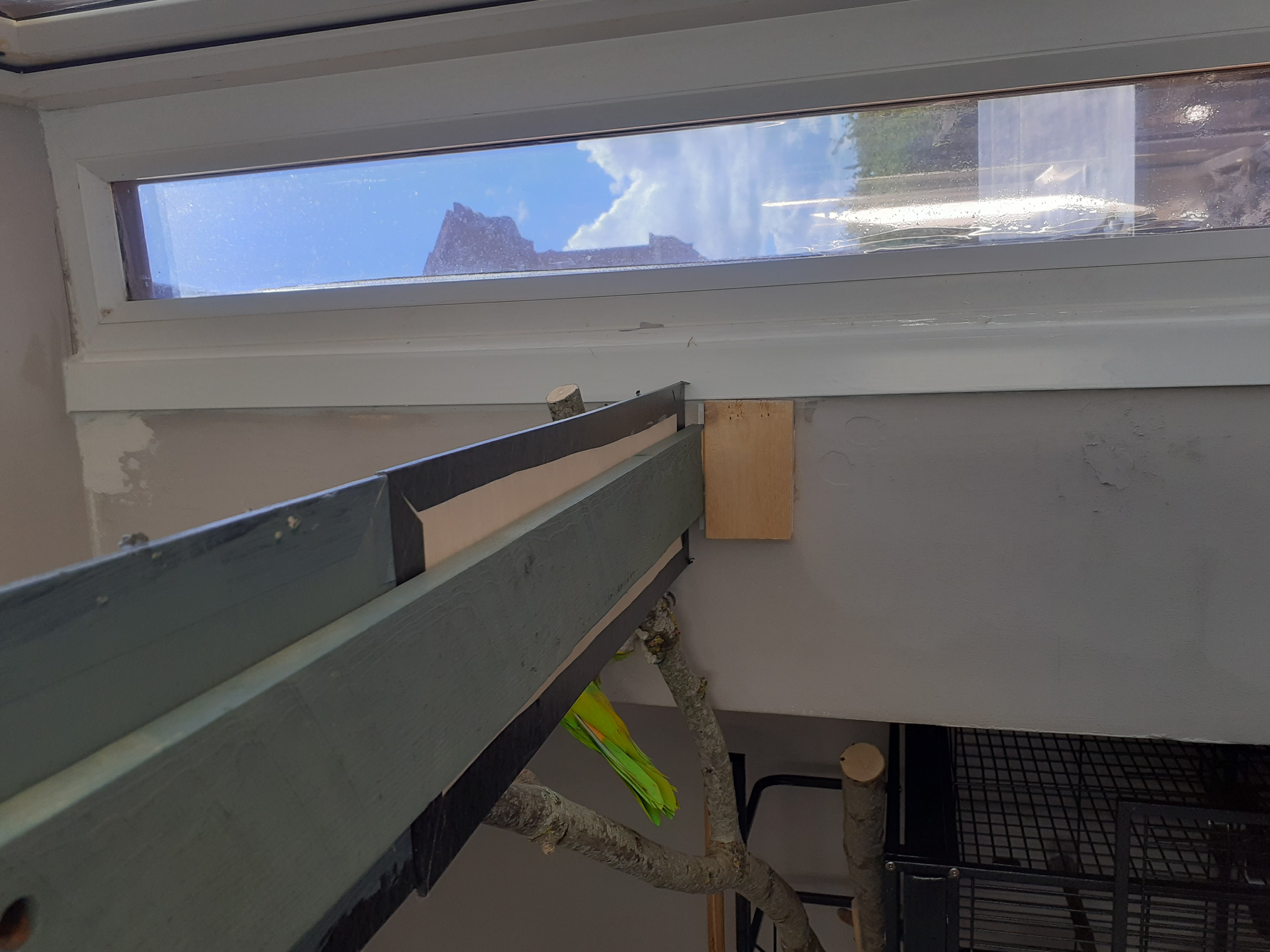
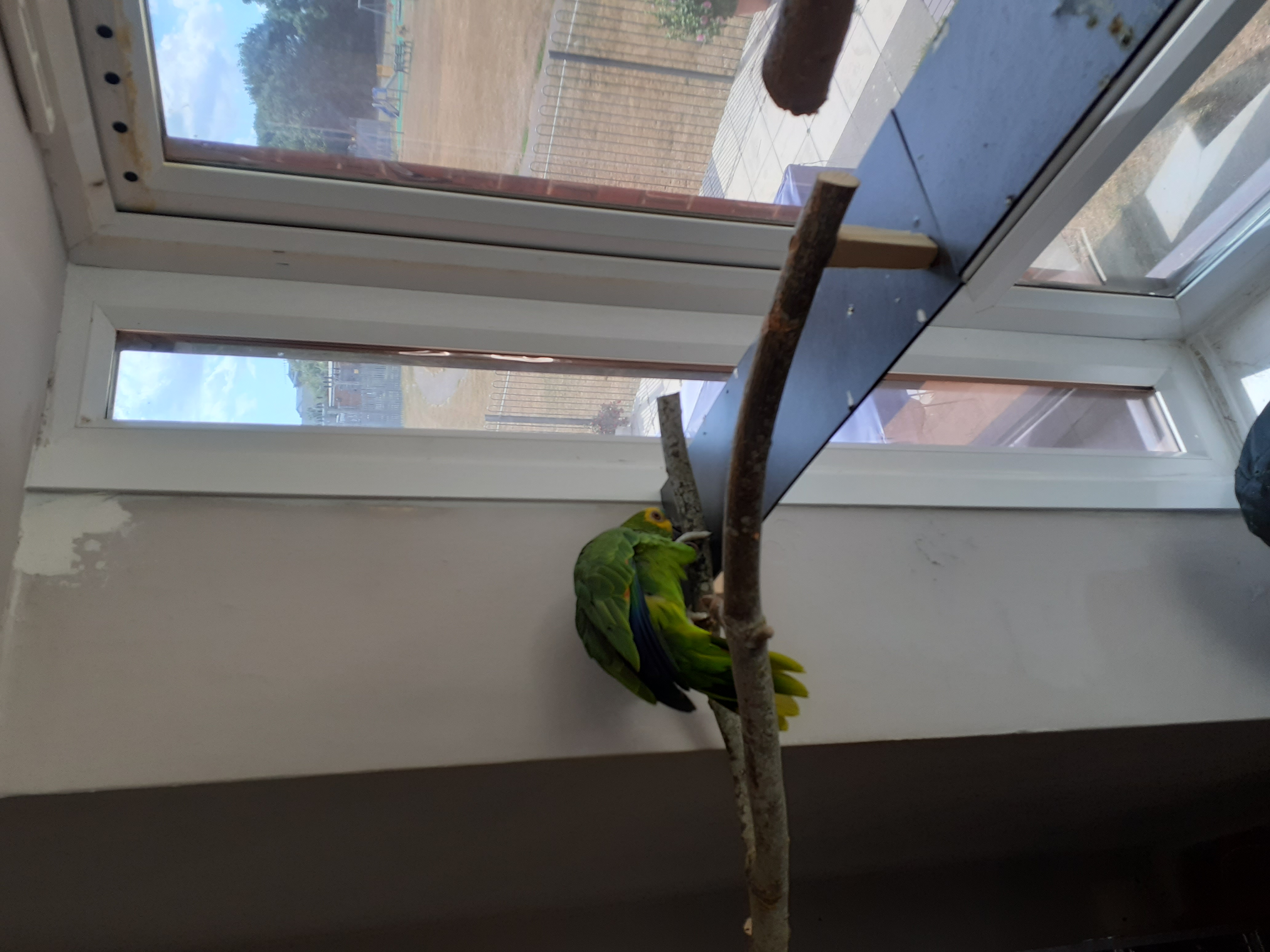
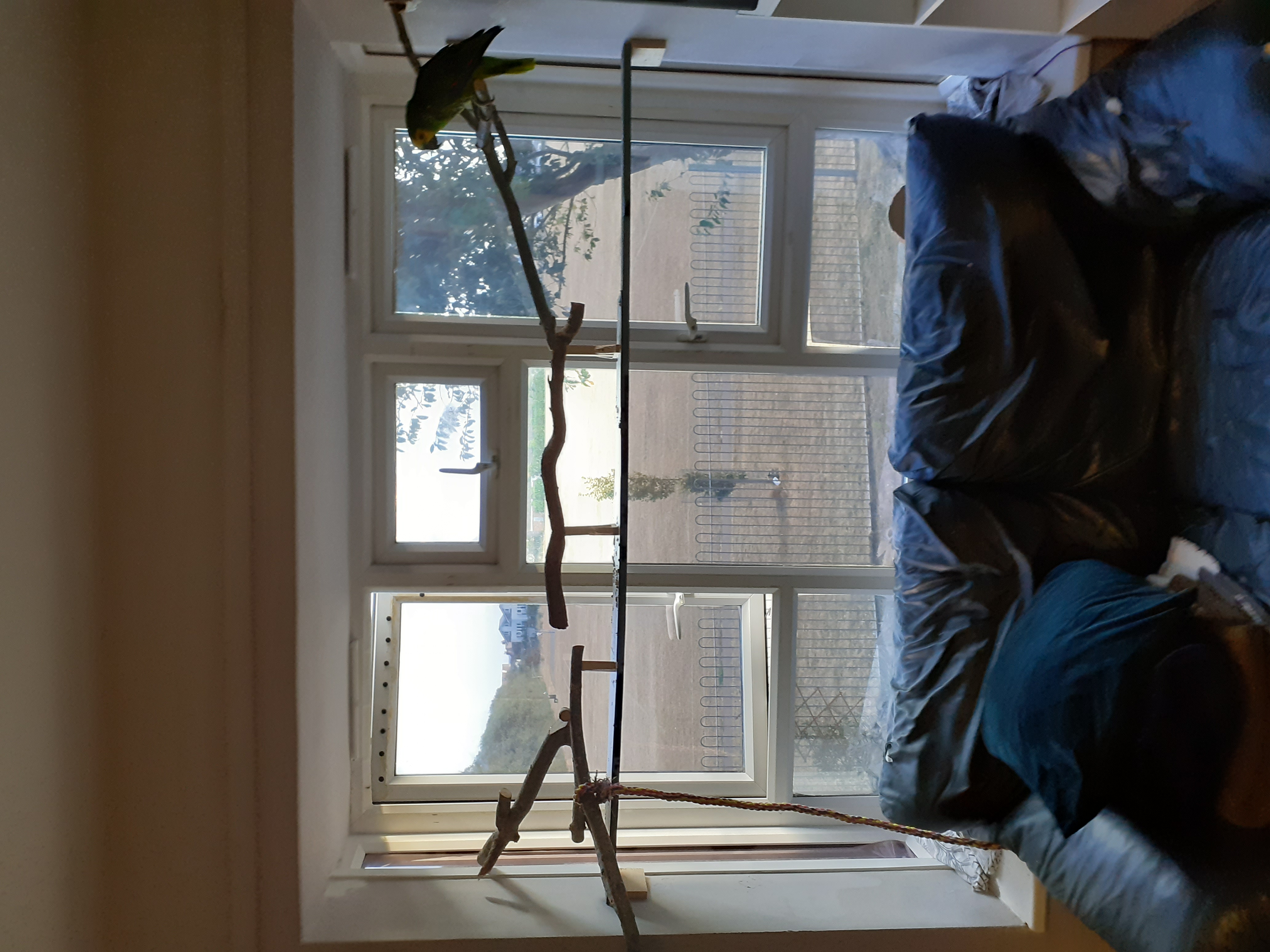
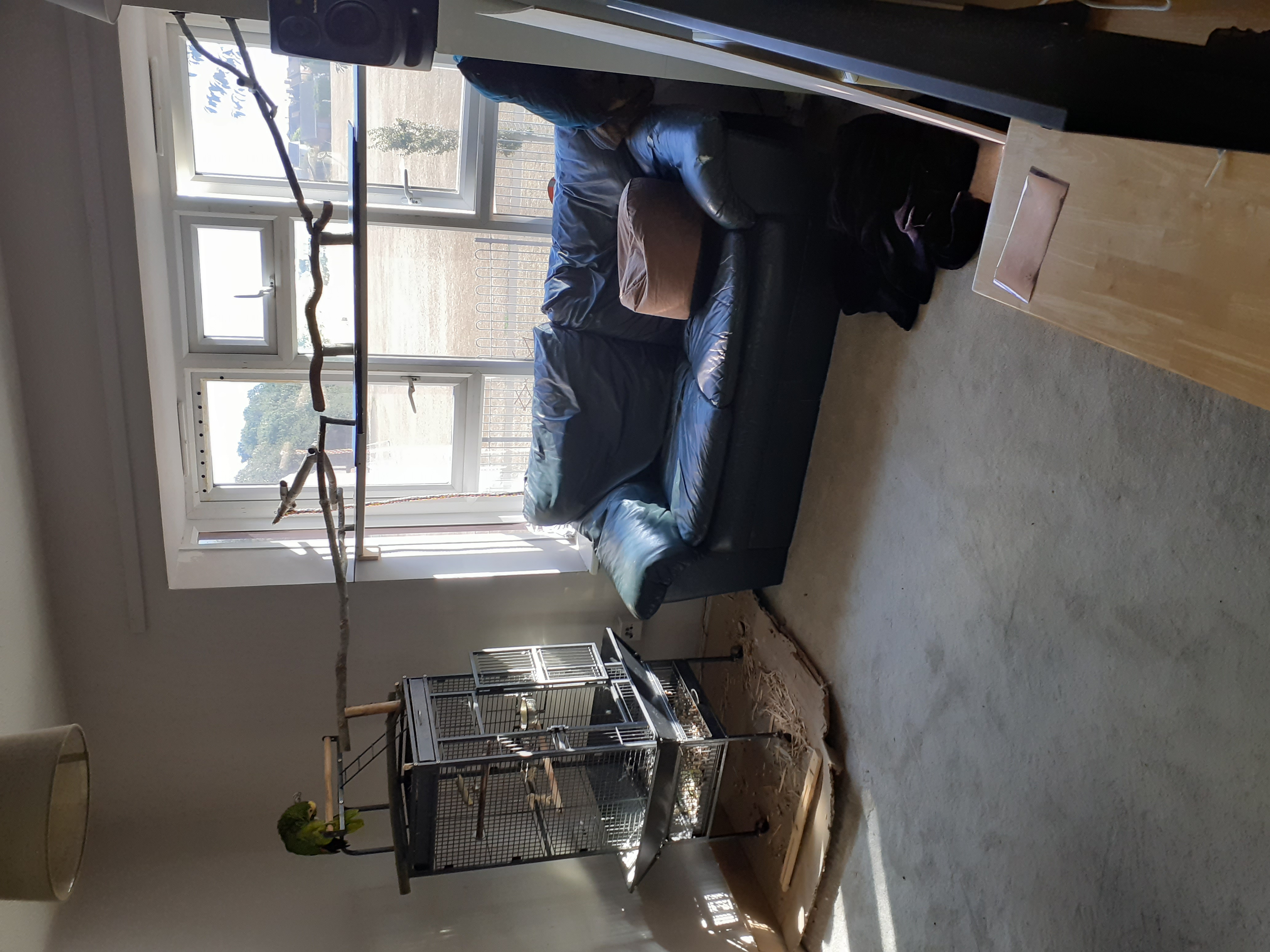
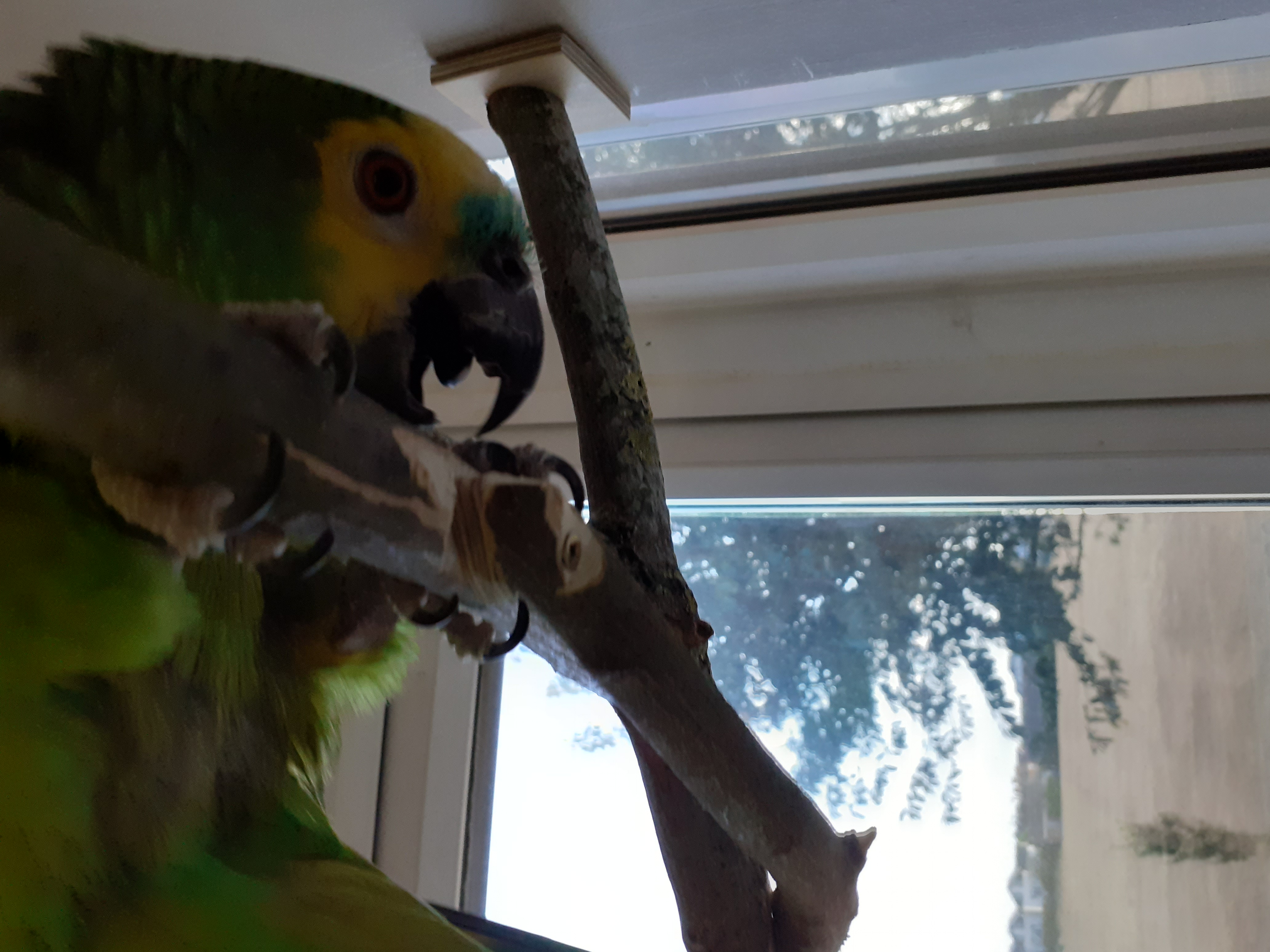
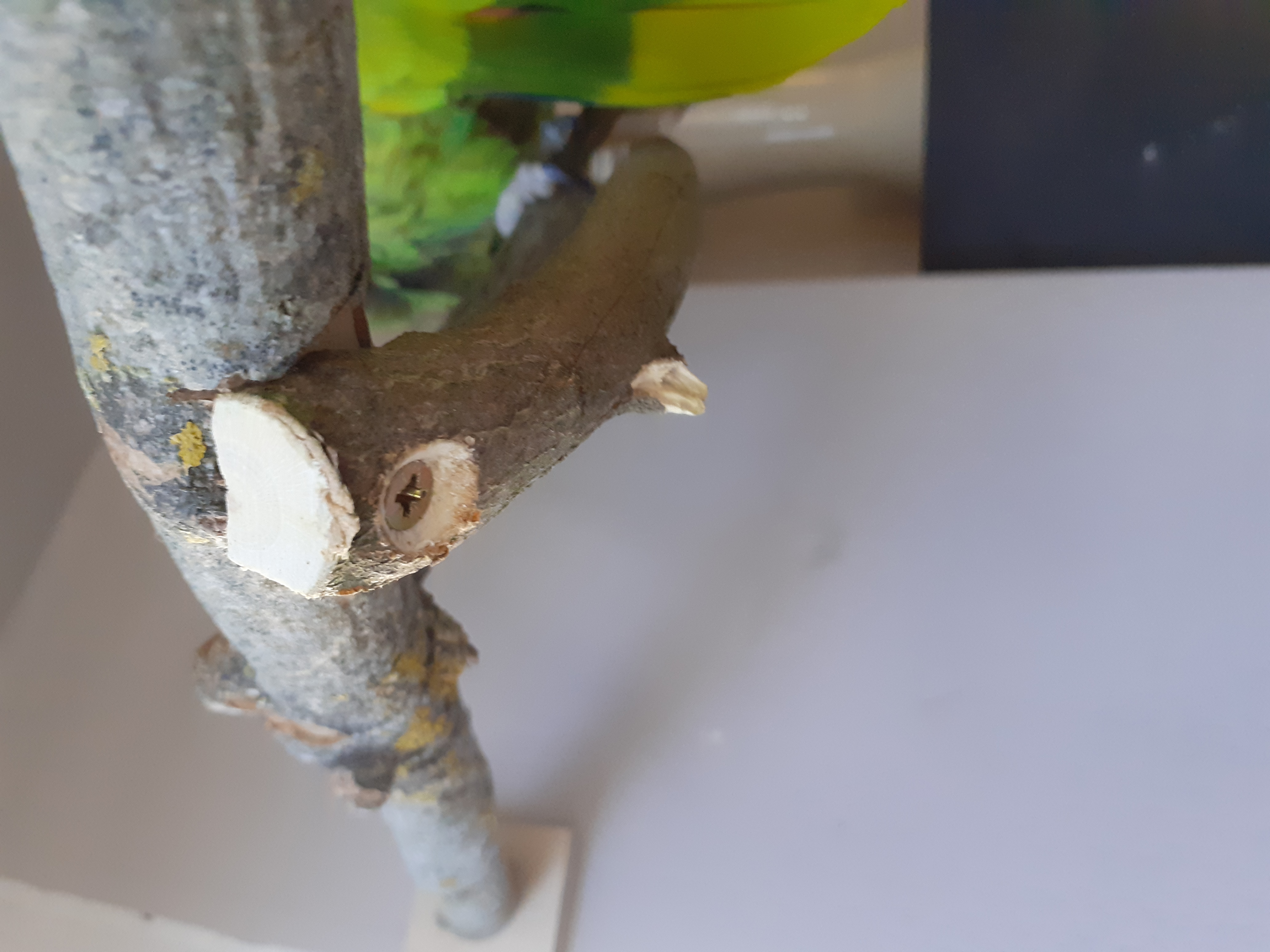
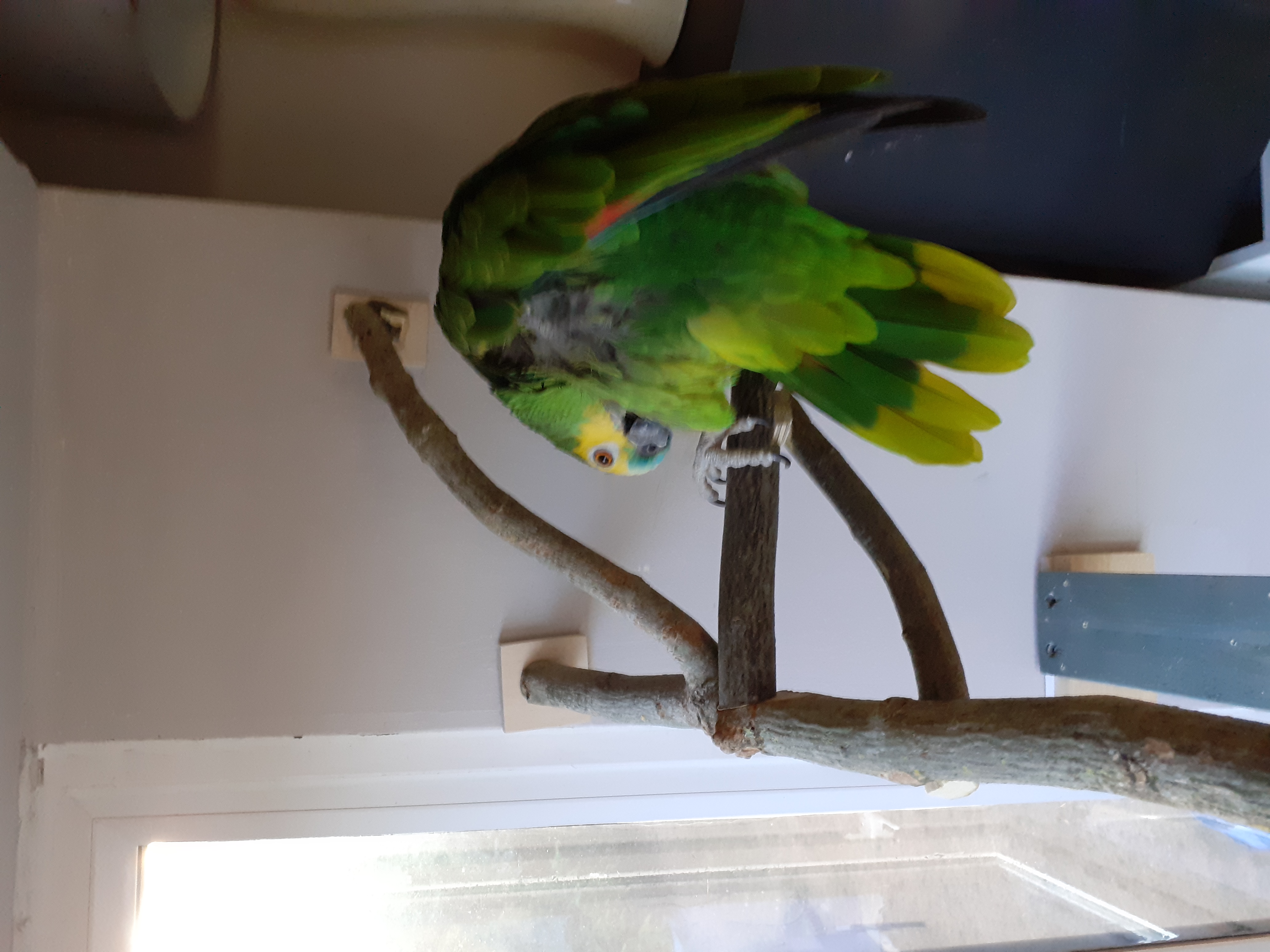
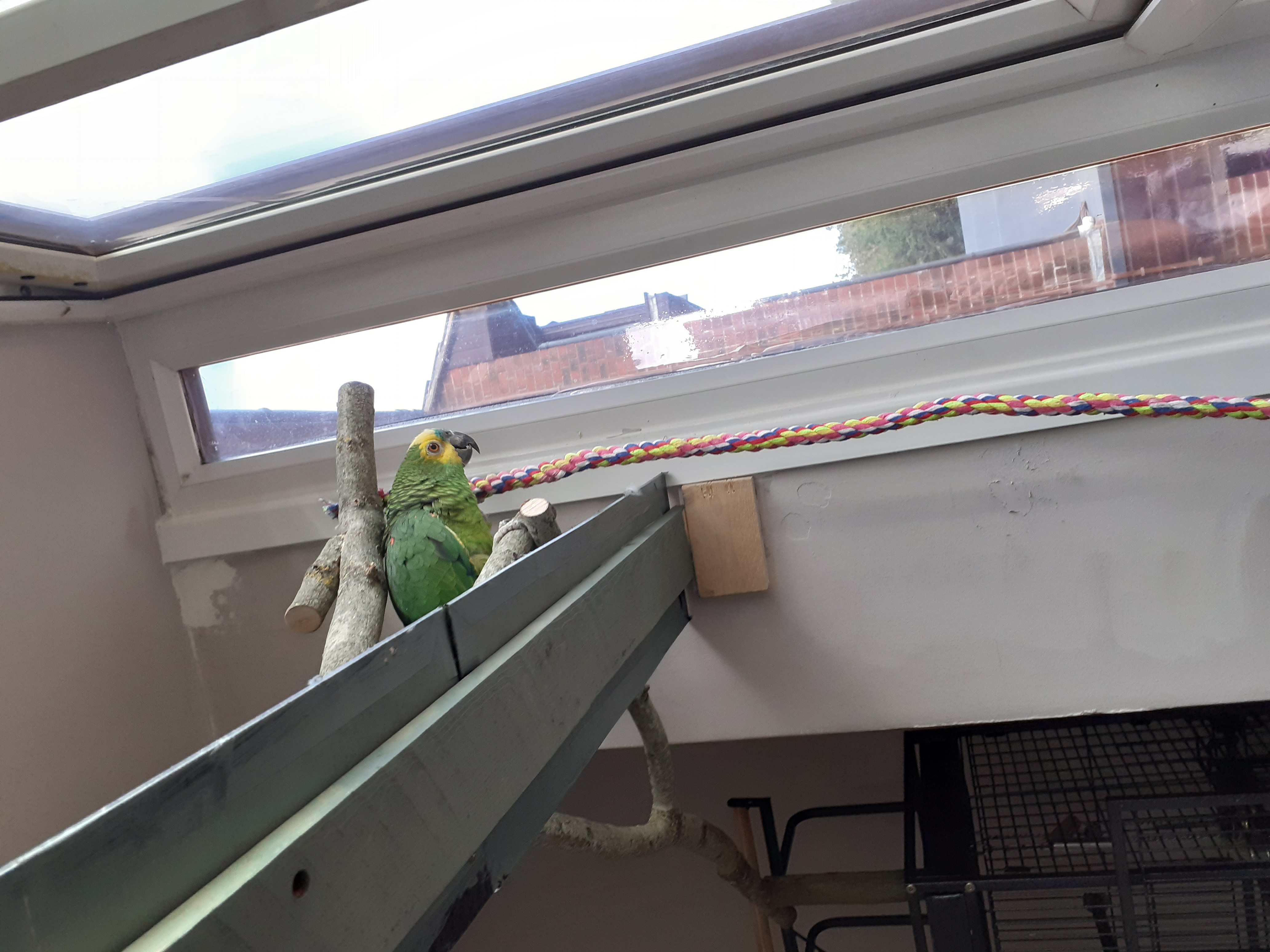
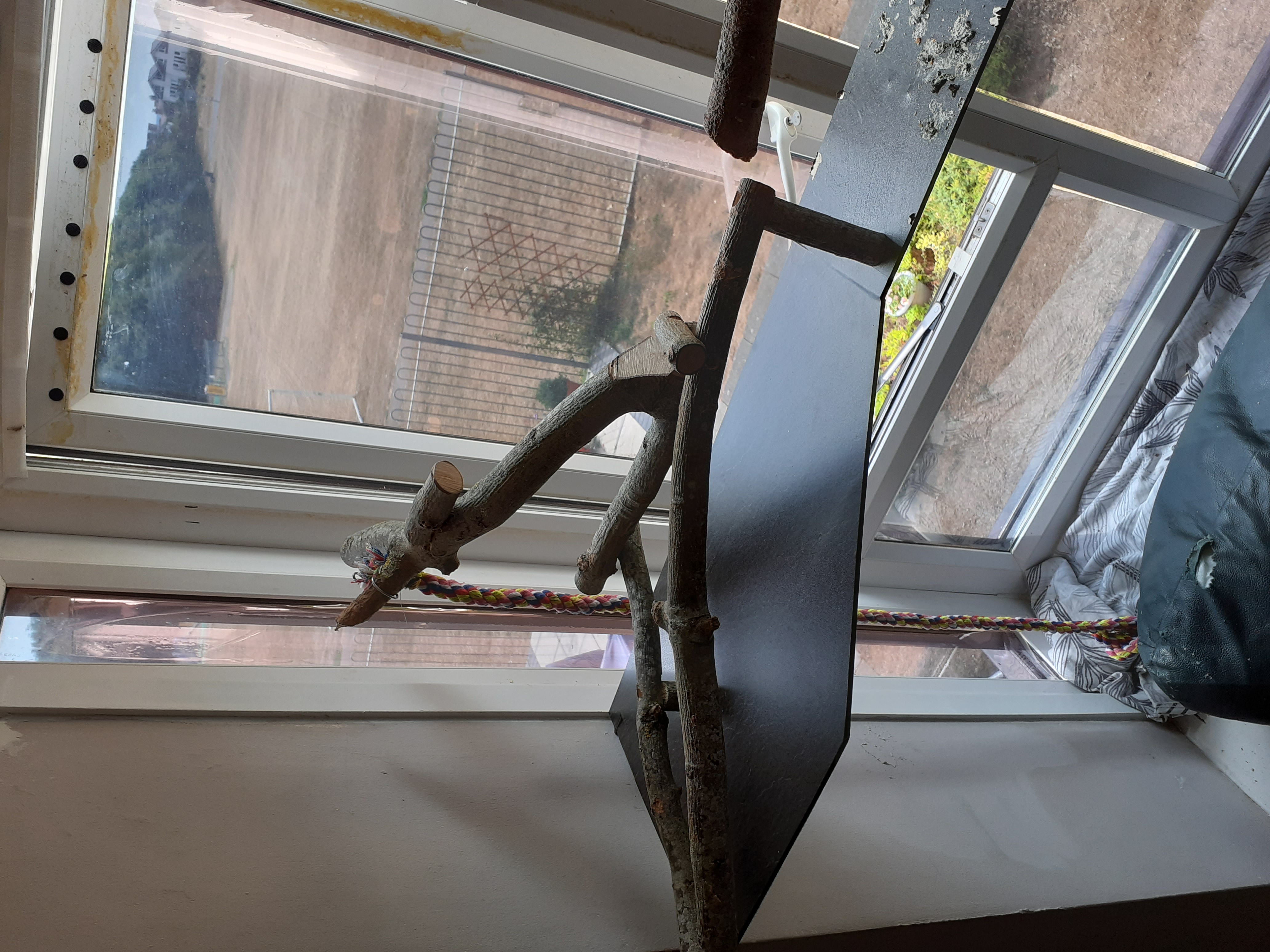
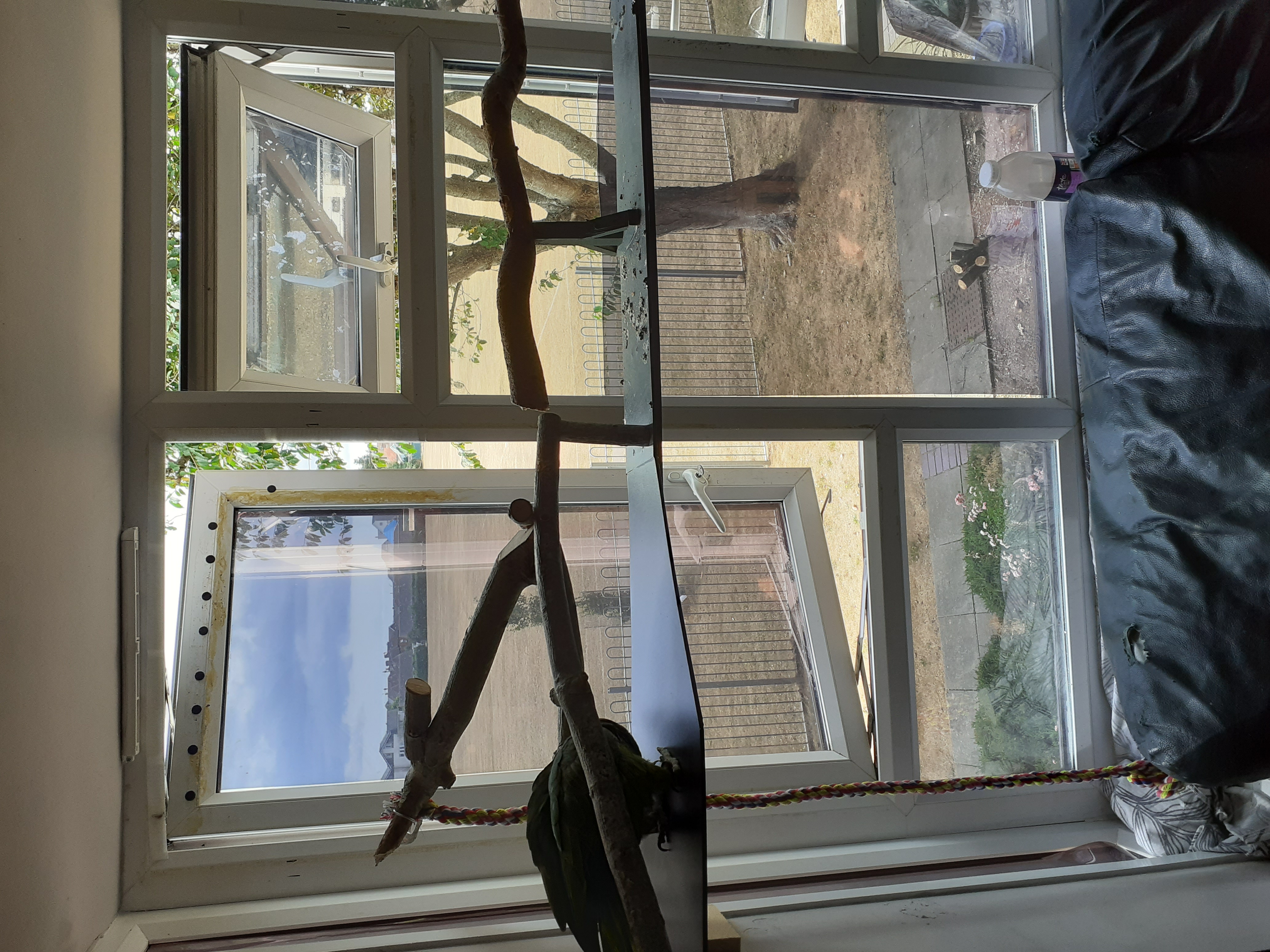
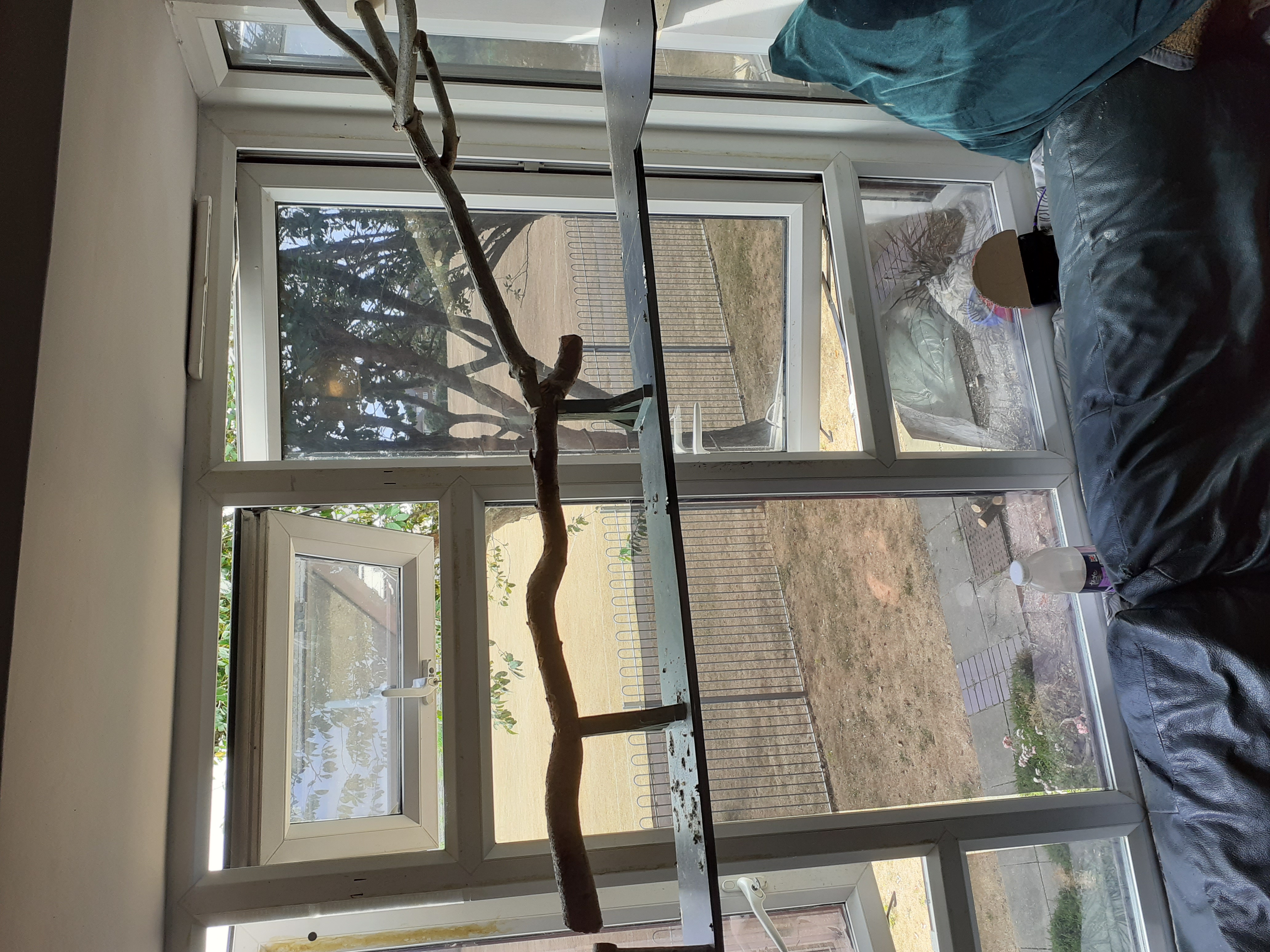
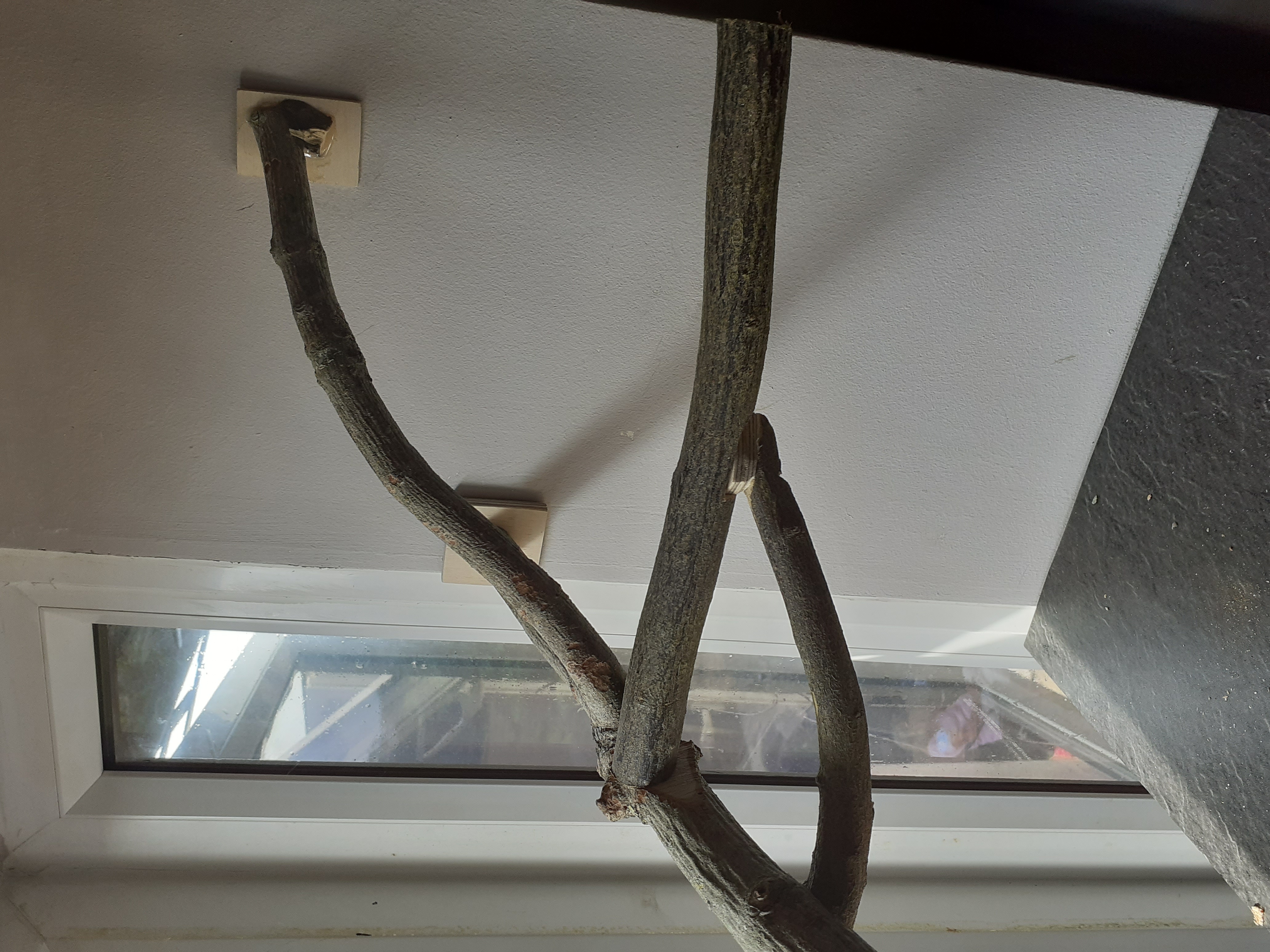
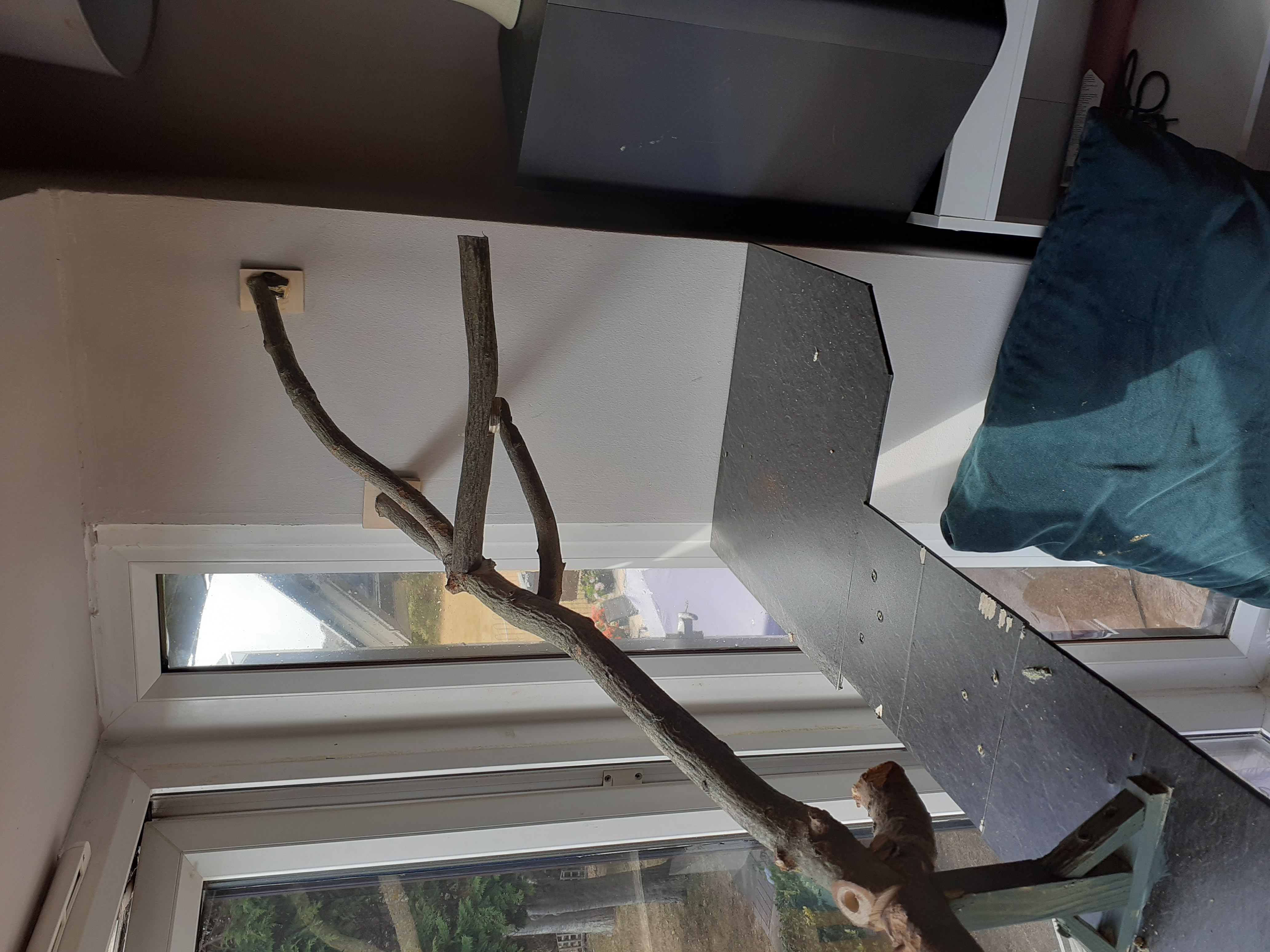
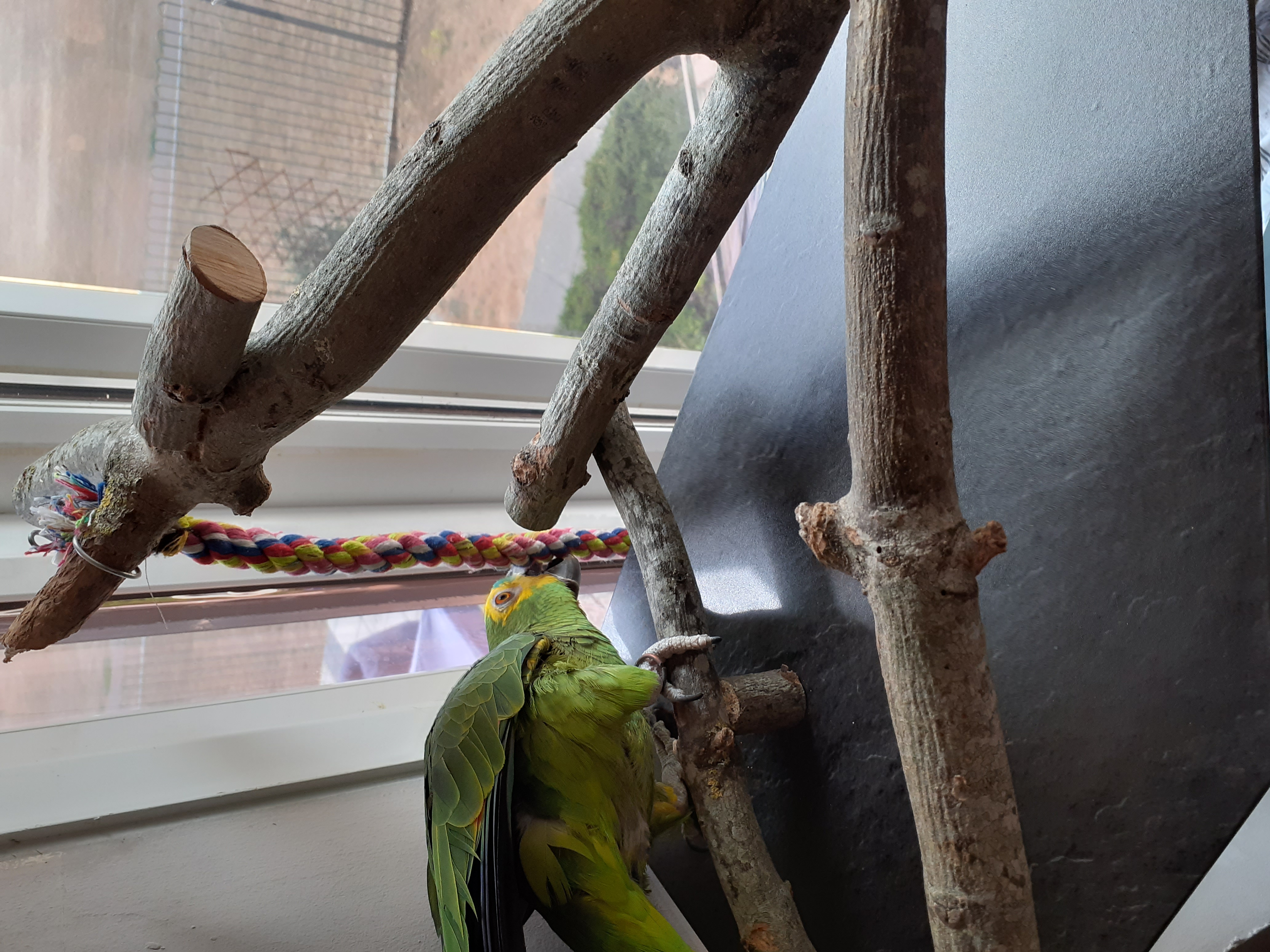
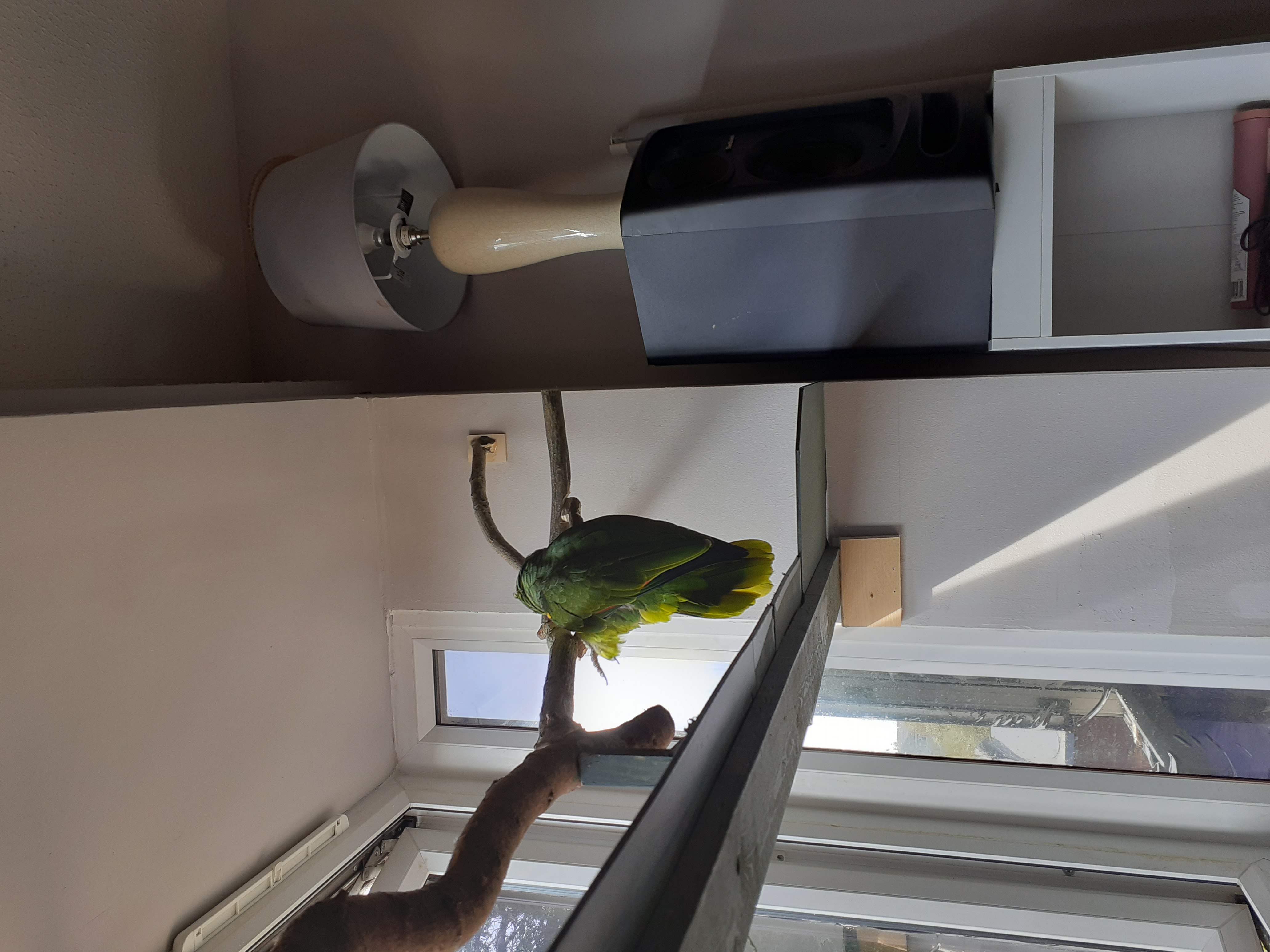
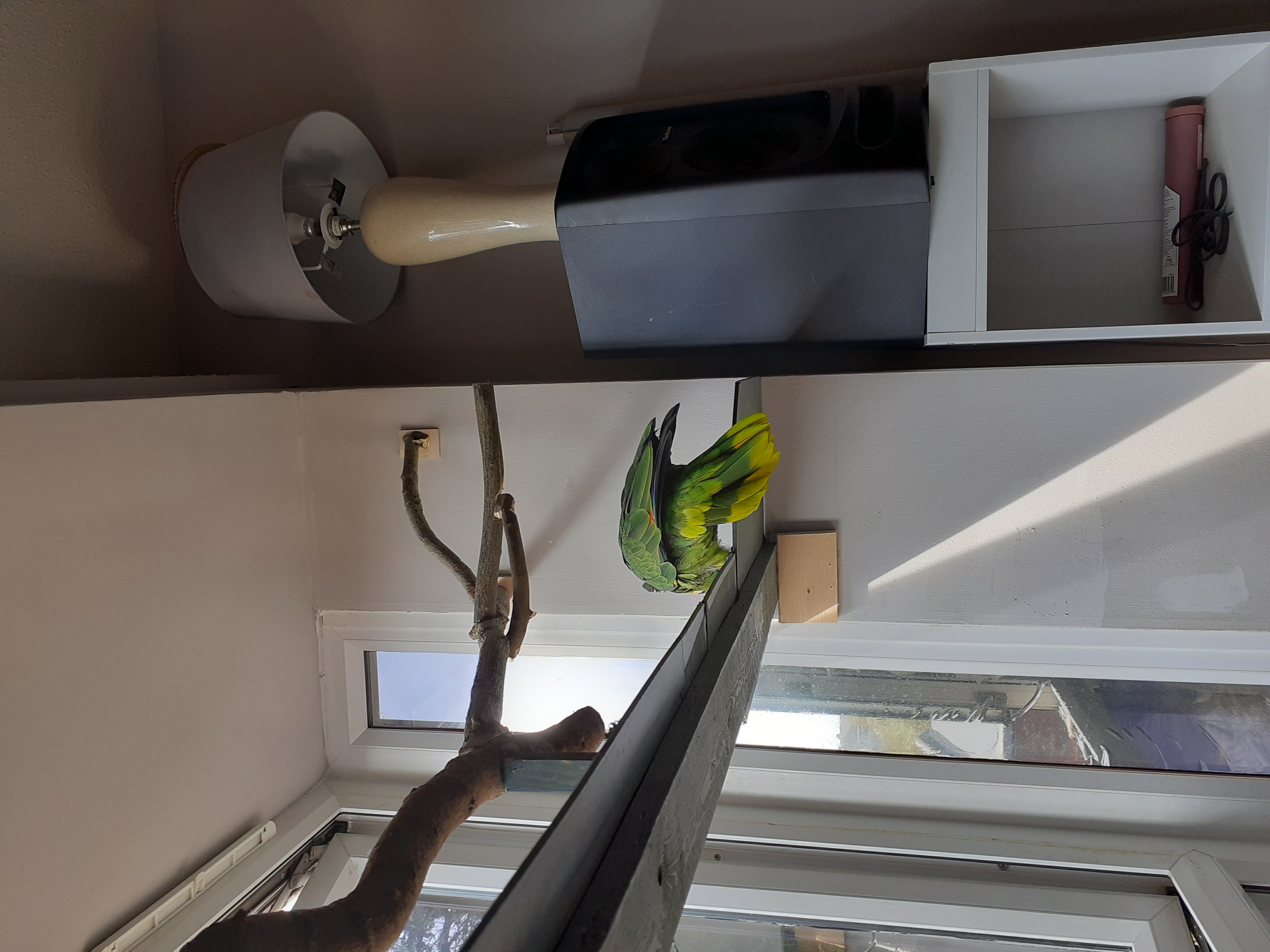
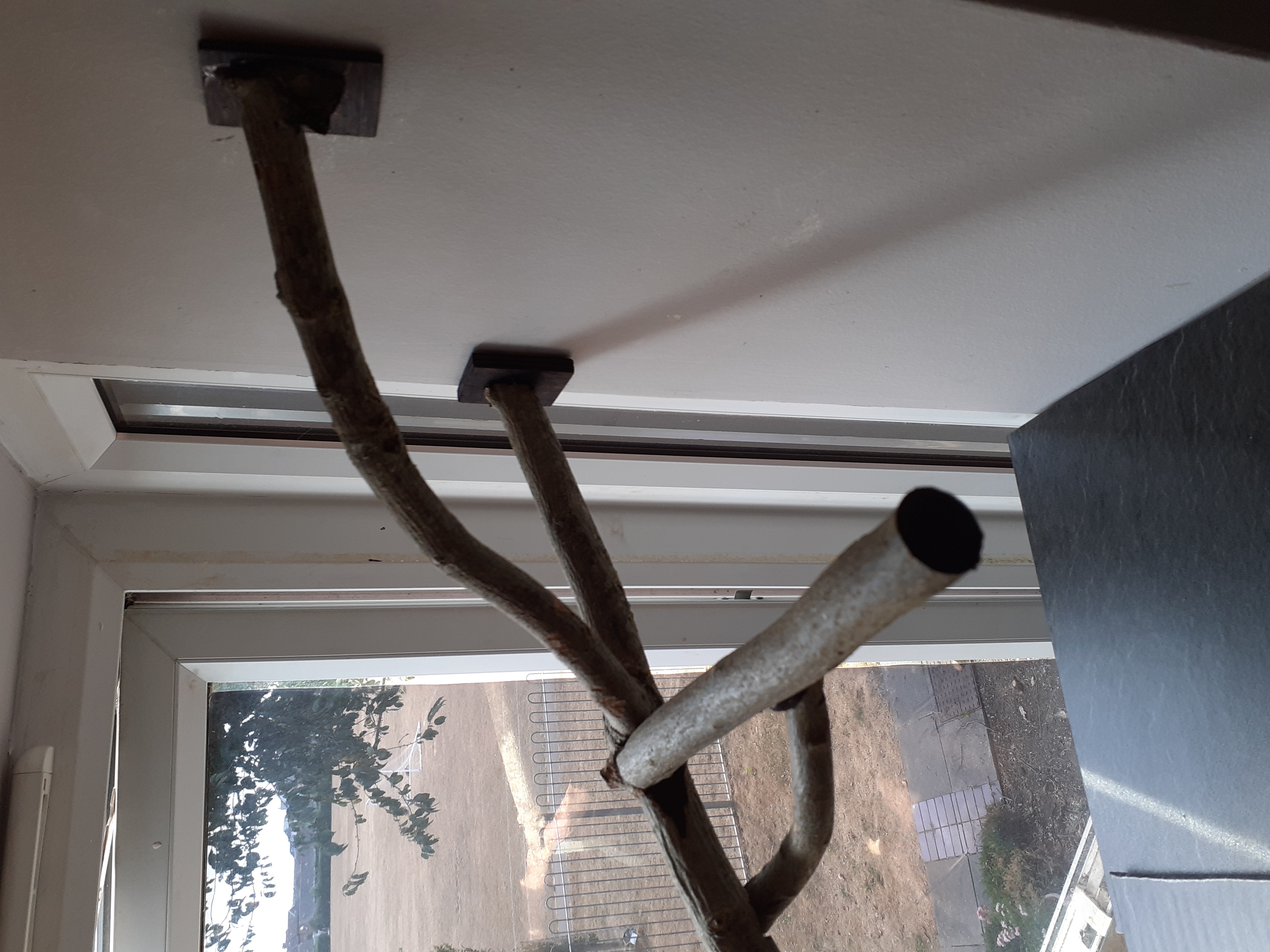
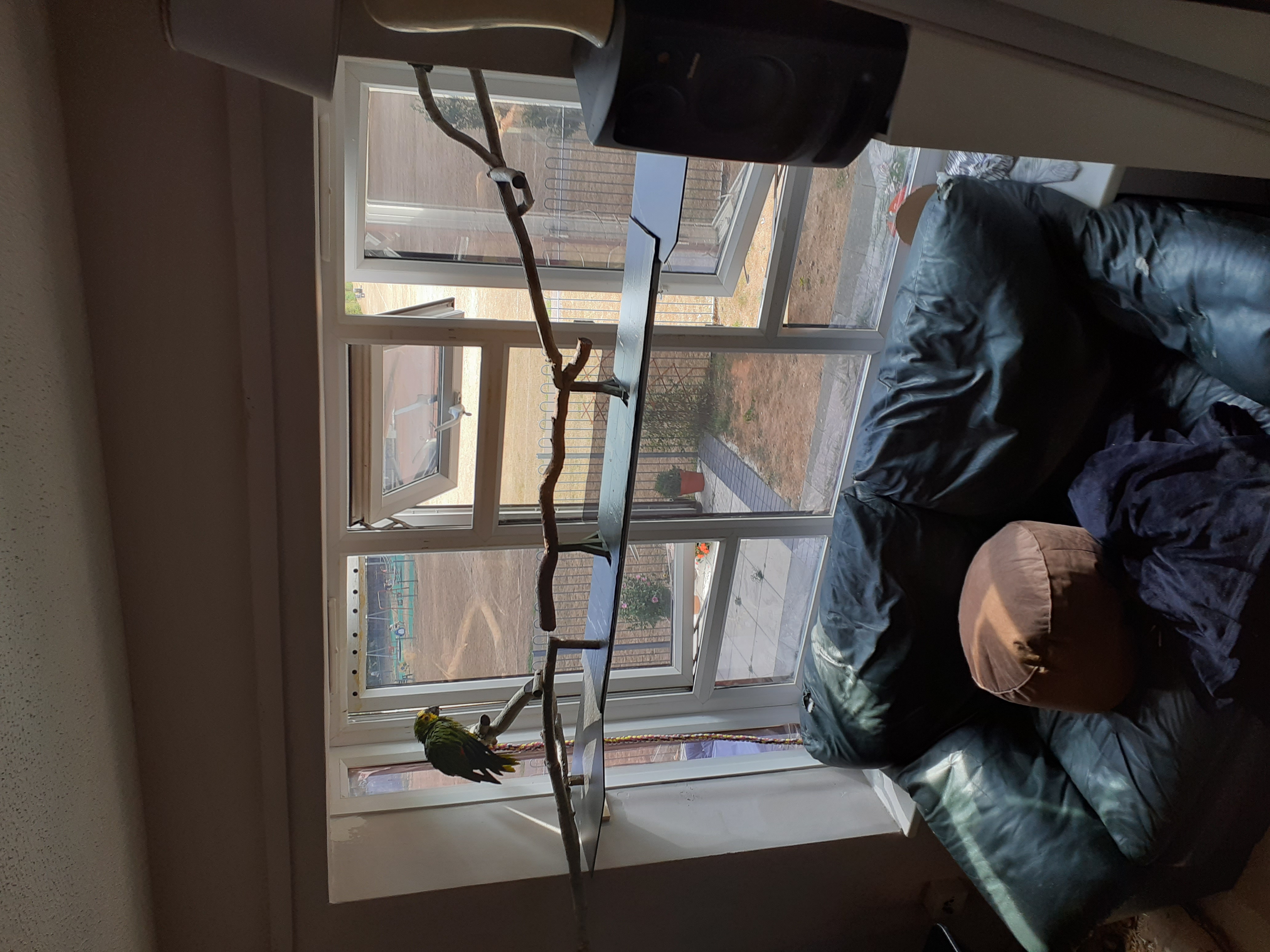
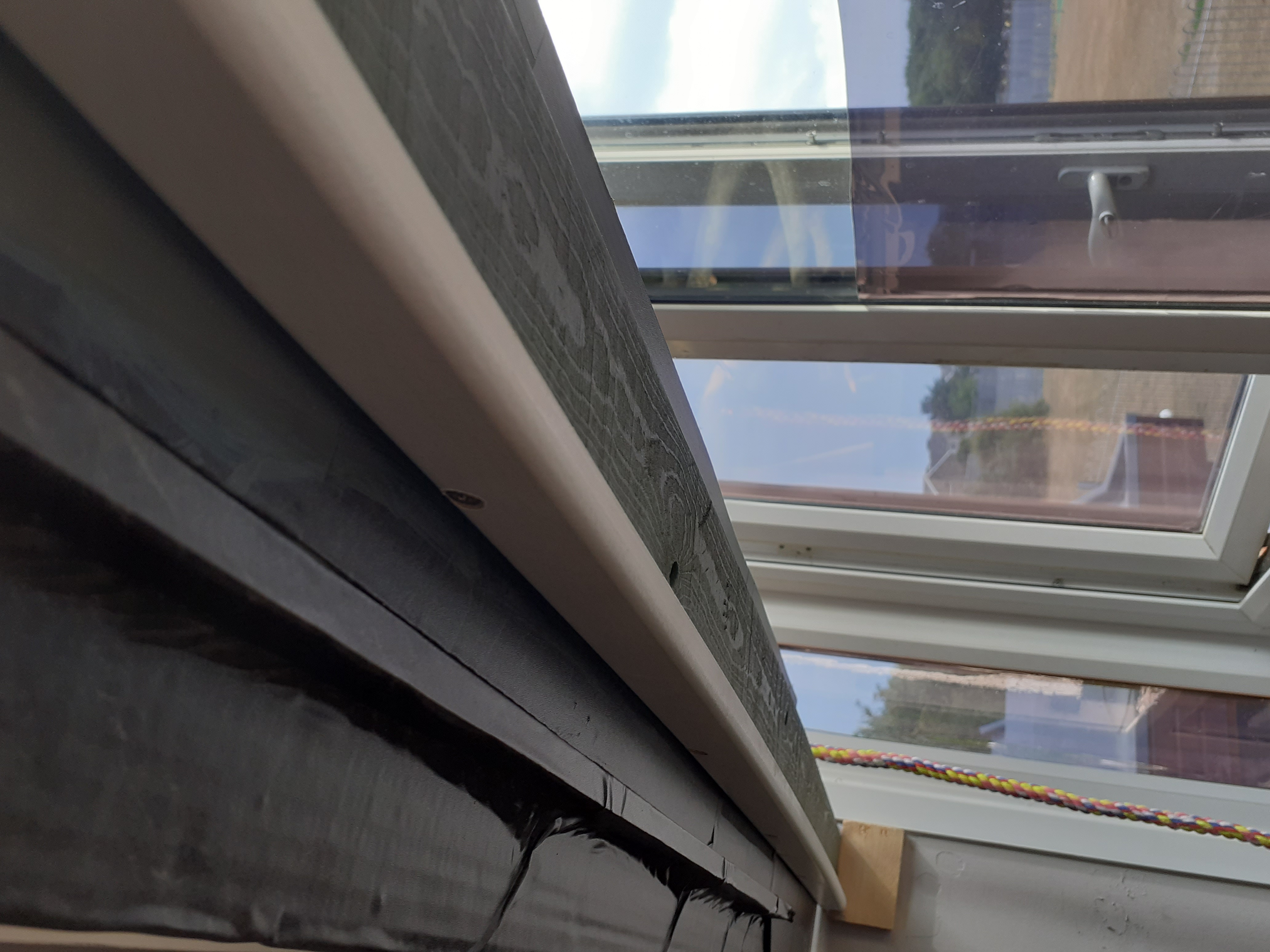
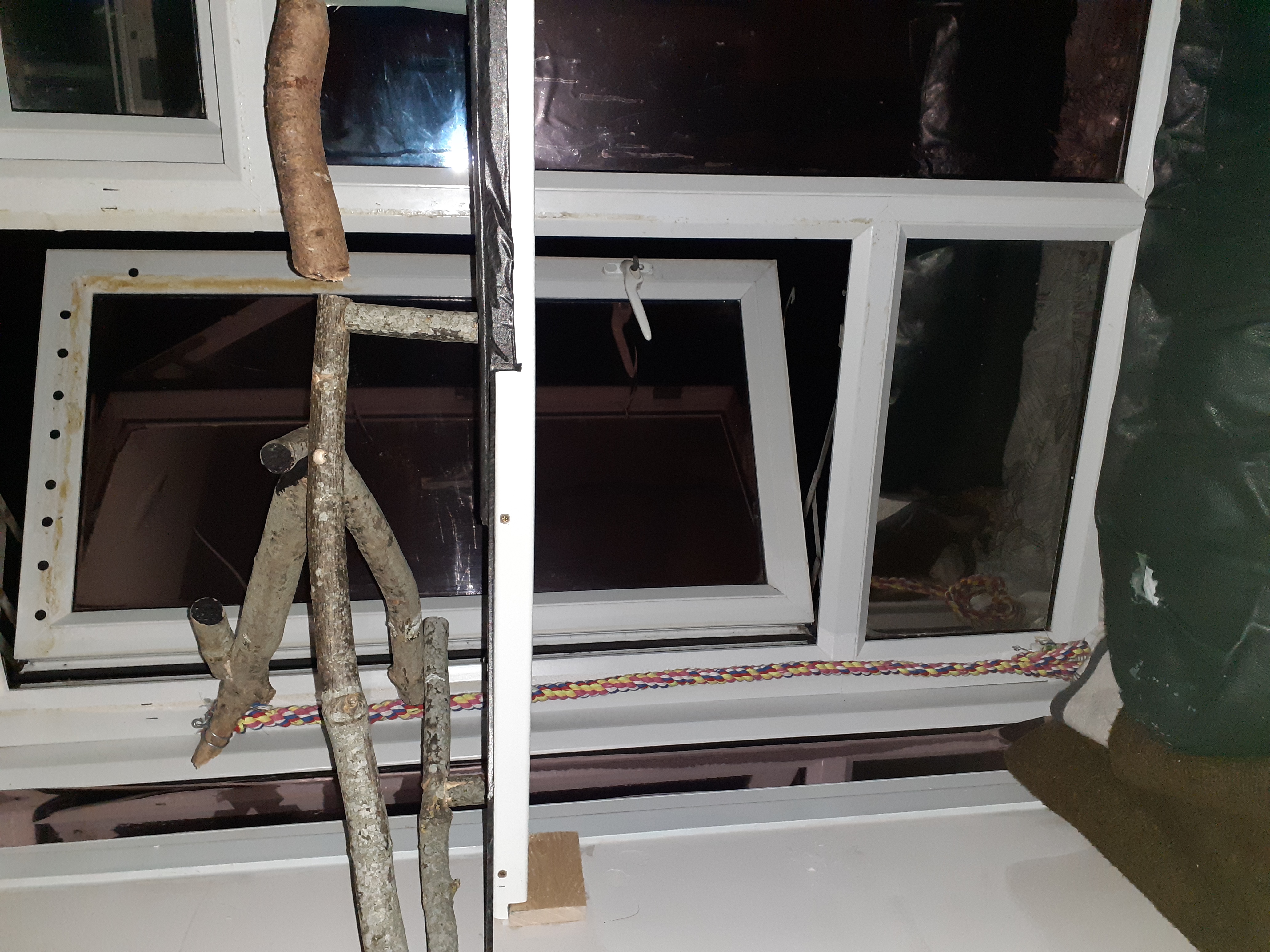
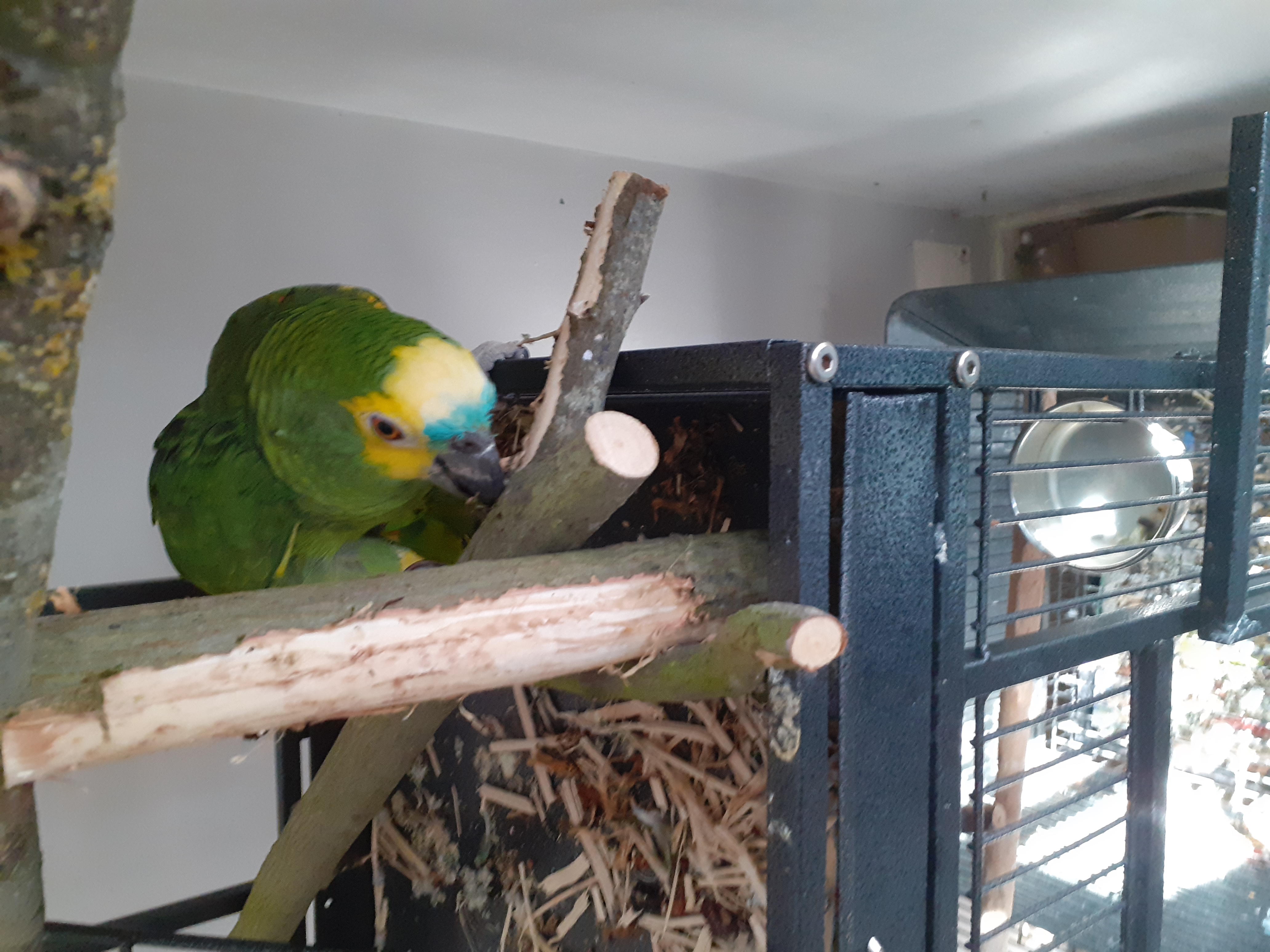
The present photographic sequence records an evolving branch-and-perch arrangement around a bay window. The installation changes over time: natural branches are introduced, routes are altered, Geordie uses different levels, and the structure is observed in use rather than treated as a finished static object.
This is consistent with the broader behavioural principle: the meaningful change was not the removal of every constraint, but the acquisition of agency within a stable environment that the animals understood.
The cage could become a place Geordie voluntarily entered rather than a place she was forced to remain. The household could become territory rather than confinement. And eventually, “we eat together” could become so ordinary that neither animal needed to think about it.
The significance of the photographic record
A photograph can show cat + parrot + shared food + shared space. It cannot, by itself, show the four weeks of the cat hiding under the bed, the gradual establishment of trust, the controlled expansion of territory, the pregnancy and subsequent confinement, the eventual return to ordinary freedom, or the approximately year-long process by which eating together became unremarkable.
Those events are what make the final behaviour intelligible.
The same principle applies to the current perch photographs. They document objects and arrangements, but their real significance lies in the relationship between structure and behaviour: an environment is being continuously adjusted in response to the animal living in it.
The animals did not become something other than what they were. They learned that what they were could coexist. That is the relationship that the final photographs only hint at.